
Search
Additional Links Contact Us- Phone: (800) 423-4198
- Toll-Free: (815) 885-1900
- Email: [email protected]


ProMach is your partner from start to finish. Our product brands are grouped into distinct business lines that make the most sense to our customers, covering every function of the production line: Filling, Bottling & Capping, Decorative Labeling, Flexibles & Trays, Pharma, Handling & Sterilizing, Labeling & Coding, Robotics & End of Line, and Systems & Integration.
learn more


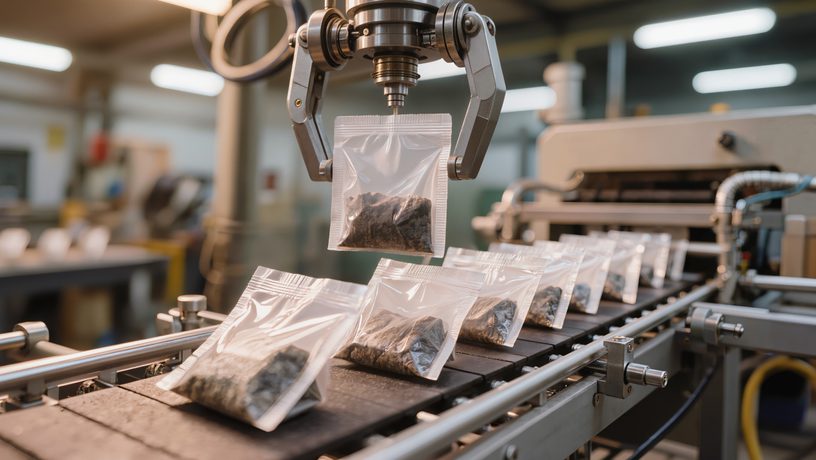
Packaging operations rarely stay the same for long. Rising production demands and tighter quality expectations push manufacturers to look for new ways to improve efficiency. As those pressures increase, many companies begin asking when to automate and whether robotics belong in their pouch packaging process. The answer depends on several operational factors, and a careful evaluation helps determine if automation aligns with current goals and future growth plans.
Production teams typically explore automation after noticing recurring bottlenecks. A packaging line may struggle to keep pace with increasing demand, or staffing challenges may create inconsistency across shifts. Robotics offer a practical way to address repetitive tasks while helping operations maintain throughput.
Investment decisions deserve careful consideration because automation affects equipment and workforce responsibilities. Companies gain the greatest value when they match robotic capabilities with clearly defined production objectives rather than pursuing automation simply because it’s available.
Many manufacturers face persistent hiring and retention challenges. Repetitive packaging tasks can become difficult to consistently staff, particularly during periods of growth or seasonal demand.
Robotic systems help stabilize production by performing predictable tasks without fatigue. As a result, teams can focus their attention on activities requiring oversight and quality management.
Certain operational indicators suggest automation may deserve serious consideration. When production limitations begin affecting profitability or customer satisfaction, robotics become a strategic topic rather than a future possibility.
Several signs frequently point toward readiness:
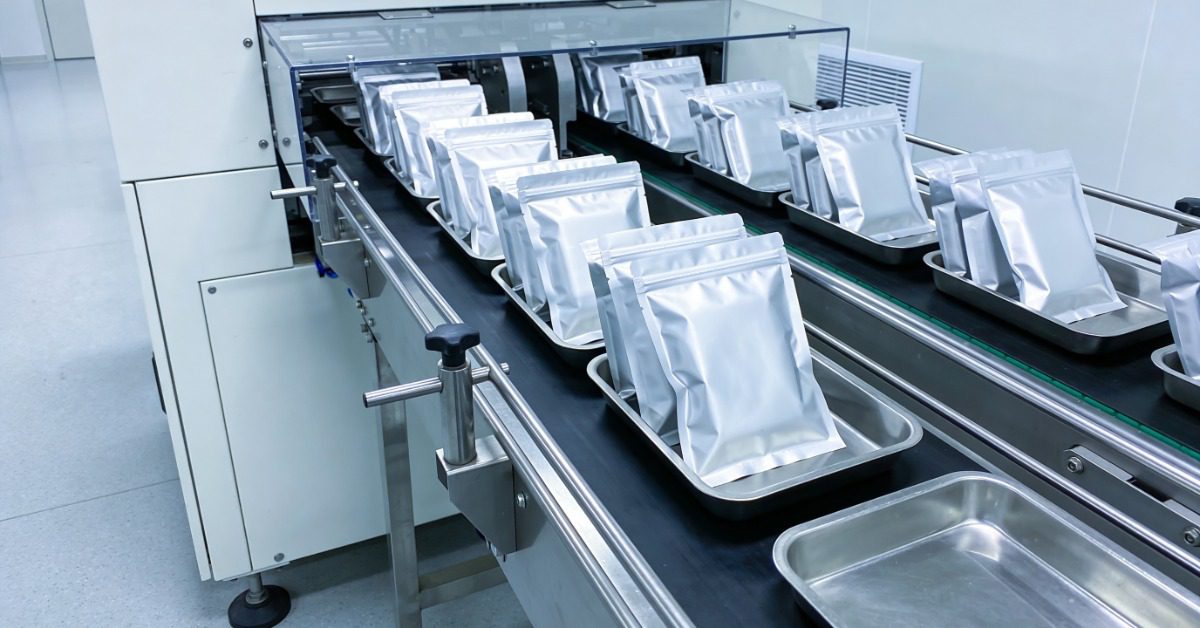
Before purchasing equipment, companies should examine existing line performance. Reliable data provides a stronger foundation for decision-making than assumptions or anecdotal observations. Production rates and quality metrics reveal where inefficiencies occur.
A detailed assessment may uncover opportunities unrelated to robotics. Process improvements or workflow adjustments sometimes resolve issues at a lower cost. Therefore, understanding root causes remains essential before committing to automation investments.
Throughput serves as one of the clearest indicators of packaging performance. When production consistently approaches equipment limits, automation may help create additional capacity without expanding facility space.
Historical production data provides valuable context during evaluation. Managers can compare peak output periods against future growth projections to determine whether robotics support long-term operational goals.
Not every packaging activity benefits equally from automation. Robotics perform best when handling repetitive motions that follow predictable patterns and require consistent execution. Picking and loading products frequently fit this profile.
Packaging operations should focus on identifying tasks that consume substantial labor while creating production constraints. When robotics remove those bottlenecks, the entire line benefits through smoother product flow and improved consistency.
Package characteristics influence automation opportunities. Weight, shape, orientation requirements, and product fragility all affect robotic selection and performance.
Engineers evaluate these variables carefully during planning. Proper matching between products and robotic systems supports reliable operation while protecting package integrity throughout the packaging cycle.
Many pouch manufacturers already operate equipment that supports automated production environments. HFFS packaging refers to horizontal form fill seal technology, which forms pouches from rollstock material, fills products into the package, and seals the finished pouch within a continuous process.
Because HFFS equipment already performs multiple packaging functions, robotics frequently complement these systems rather than replace them. Robotic integration may occur at product loading stations or downstream packaging processes where additional efficiency gains exist.
Automation works best when equipment functions as a coordinated system. Robotic components should communicate effectively with packaging machinery and supporting controls.
Strong integration improves operational visibility while reducing unnecessary interruptions. Consequently, manufacturers gain better insight into production performance across the entire packaging line.
Cost remains one of the most important factors in automation decisions. Robotics require capital investment, implementation planning, and ongoing maintenance support. Companies therefore need realistic expectations regarding return on investment.
Financial evaluations should extend beyond equipment pricing alone. Production capacity improvements and reduced waste contribute to the broader business case. Looking at the complete operational picture provides a clearer understanding of long-term value.
Robotics excel at repeating the same motion with precision throughout extended production runs. Consistent execution helps reduce variation that may occur during manual handling activities.
Several quality-related advantages frequently influence automation decisions:
Customers expect dependable packaging quality regardless of order size. Variations between production runs can create concerns about reliability and supplier performance.
Automation supports consistent execution across shifts and production schedules. As packaging quality becomes more predictable, manufacturers strengthen confidence among customers and distribution partners.
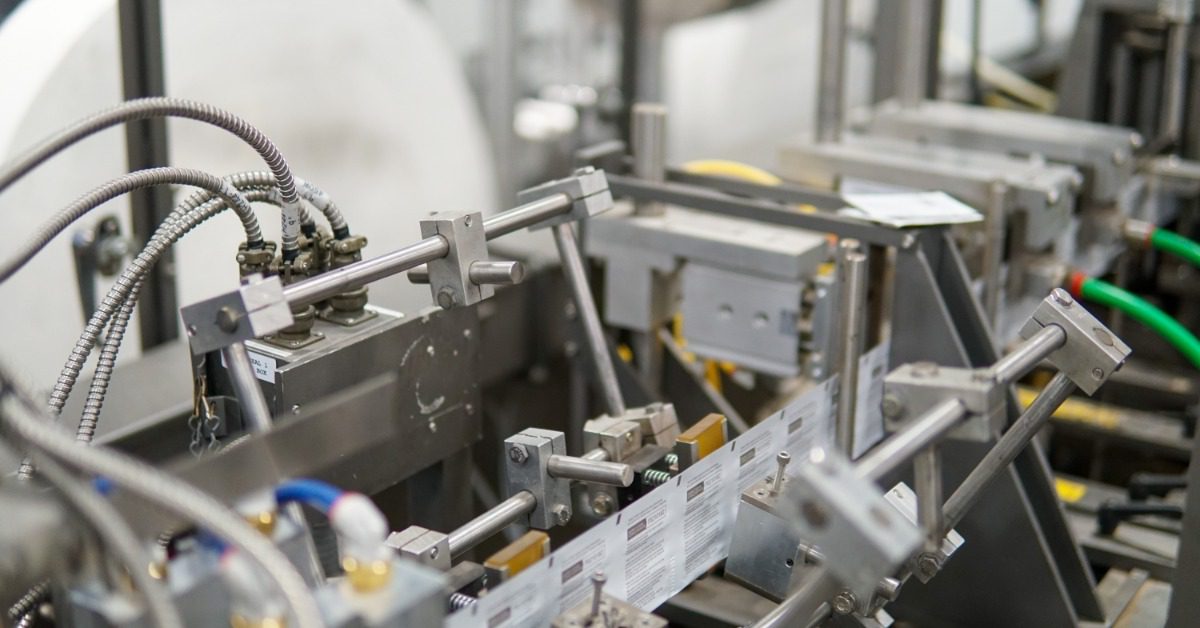
Automation decisions should support long-term business objectives rather than solve only immediate challenges. Production needs frequently evolve as product lines expand and customer demand increases. Selecting scalable solutions creates flexibility for future growth.
This perspective becomes especially important when considering automation for a growing pouch packaging operation. A system that supports future expansion may provide greater value than a solution focused exclusively on current production requirements.
Growth planning involves more than production volume. New package formats and evolving market opportunities may influence future automation needs.
Flexible systems adapt more effectively to operational changes. Consequently, manufacturers place themselves in a stronger position to respond to shifting business conditions without extensive equipment replacement.
Watch this video to learn how HMC machines are compatible with further downstream equipment, allowing manufacturers to expand as customer needs change.
Successful automation projects begin with clear objectives. Organizations that define goals and understand production challenges tend to achieve stronger results than those pursuing automation without a structured plan.
Cross-functional collaboration strengthens decision-making throughout the evaluation process. Operations leaders, maintenance teams, engineers, and management all contribute valuable perspectives that help identify the most practical path forward.
Automation continues to reshape modern packaging operations, yet every facility reaches the decision point at a different stage. Careful analysis helps companies determine where robotics provide measurable value and where other improvements deserve priority first.
Organizations seeking guidance on production optimization can benefit from the industry experience available through HMC Products. If you're evaluating future packaging investments, now is an excellent time to start the conversation and explore the possibilities that align with your operation's goals.