
Search
Additional Links Contact Us- Phone: (800) 423-4198
- Toll-Free: (815) 885-1900
- Email: [email protected]


ProMach is your partner from start to finish. Our product brands are grouped into distinct business lines that make the most sense to our customers, covering every function of the production line: Filling, Bottling & Capping, Decorative Labeling, Flexibles & Trays, Pharma, Handling & Sterilizing, Labeling & Coding, Robotics & End of Line, and Systems & Integration.
learn more


Unexpected downtime can throw an entire packaging schedule off track, especially in high-volume production environments. Horizontal form fill seal (HFFS) equipment runs at demanding speeds, so small mechanical issues can quickly disrupt output and product quality. Because of this, predictive maintenance for HFFS operations now sits at the center of smarter manufacturing strategies. Companies that monitor machine health in real time gain stronger long-term production performance.
Predictive maintenance uses machine data and performance tracking to spot warning signs before equipment fails. Packaging operations rely on this approach because HFFS machinery contains moving parts that operate continuously during production runs.
Manufacturers track motor performance and cycle consistency to detect irregularities early. Maintenance teams then schedule service during planned downtime. Production managers appreciate this strategy because it reduces disruption while helping packaging lines maintain stable output.
Horizontal form fill seal equipment handles demanding packaging applications such as food, pharmaceuticals, and consumer goods. Since these machines form pouches, fill products, and seal packages in one continuous process, a single issue can interrupt multiple stages of production at once. Consistent reliability keeps production schedules moving and protects packaging quality throughout long operating shifts.
Several factors make predictive maintenance especially valuable for HFFS environments:
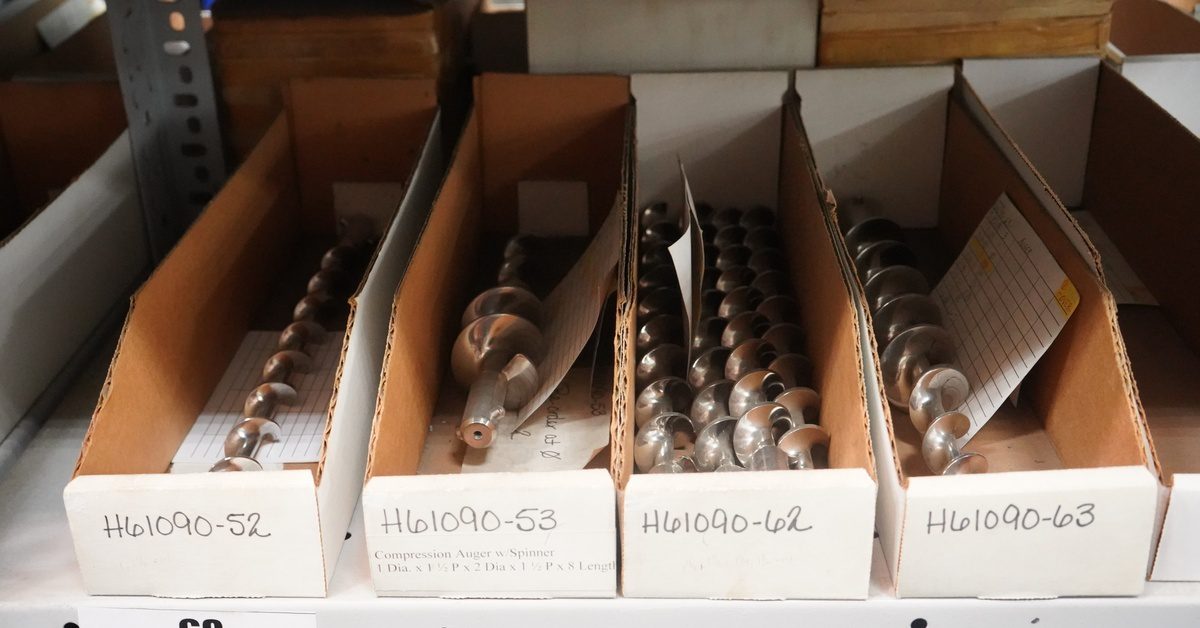
Many HFFS systems experience wear in predictable areas after extended production cycles. Belts and cutting assemblies are some of the few components that face repeated mechanical stress throughout daily operation. Maintenance teams that monitor these components closely can catch small irregularities before they interrupt packaging runs.
Equipment operators also notice subtle warning signs before major failures occur. Inconsistent pouch seals or fluctuating temperatures may indicate developing issues inside the machine. Therefore, strong monitoring practices help technicians respond quickly instead of waiting for complete component failure.
Packaging defects do more than interrupt production output. Weak seals or inconsistent pouch formation may create product spoilage risks and higher material waste in industries with strict quality standards.
Predictive maintenance helps operators detect performance drift early enough to correct issues before defective packaging accumulates across an entire production batch. Additionally, machine data gives quality control teams stronger visibility into recurring sealing patterns, which supports process improvements.
Downtime creates expenses far beyond the repair itself. Production delays affect shipping timelines and raw material usage. In industries with strict delivery requirements, an unexpected shutdown can create operational pressure across the entire supply chain.
Packaging companies reduce these risks when they use predictive maintenance systems consistently. Real-time alerts help maintenance departments schedule repairs during planned production pauses rather than emergency breakdowns. Additionally, companies avoid unnecessary part replacement because technicians service equipment based on actual condition data.
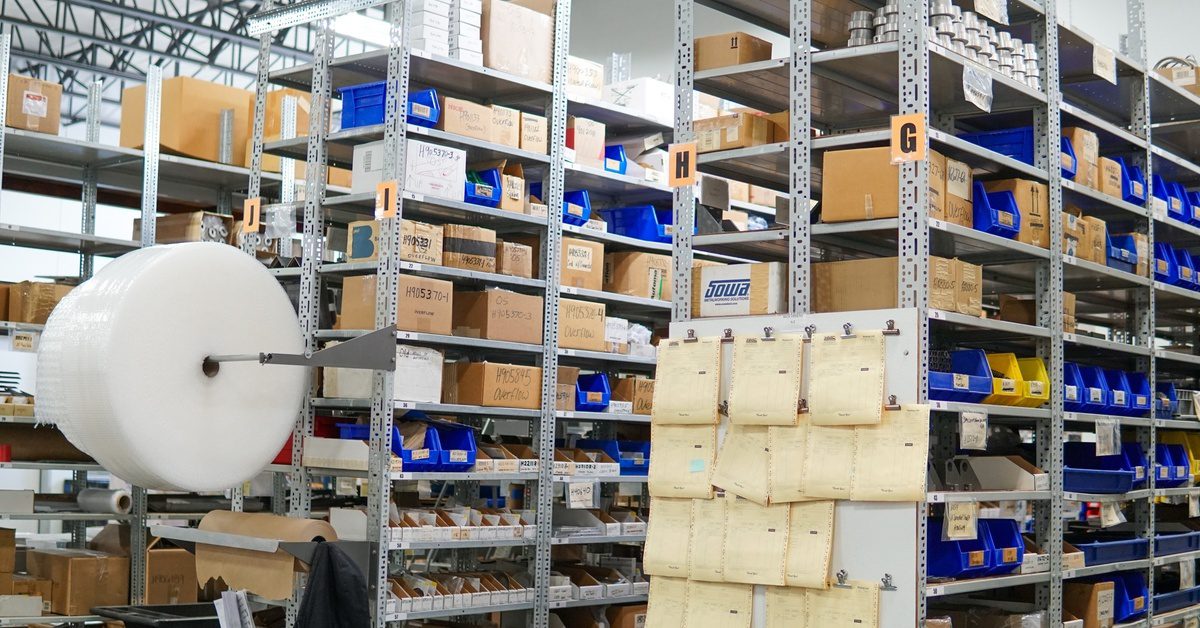
Predictive maintenance improves spare parts management as well. Maintenance departments gain better visibility into which components show wear patterns and when replacements will likely become necessary. Purchasing teams can stock critical parts strategically instead of over-ordering inventory. Consequently, facilities reduce storage costs while maintaining stronger operational readiness.
Effective predictive maintenance depends on accurate machine monitoring. Sensors and diagnostic tools track performance trends across multiple machine systems during active production. Maintenance teams review this information regularly to identify developing patterns that may require service attention.
The following machine metrics provide valuable insight for HFFS maintenance teams:

Reliable machinery supports consistent packaging quality from start to finish. Small mechanical inconsistencies can affect fill accuracy and package appearance. Since customers expect dependable packaging performance, manufacturers place strong emphasis on stable machine operation.
Predictive maintenance helps operators identify changes before defective products leave the production line. Sensors may detect temperature instability or mechanical drift long before packaging defects become visible during inspection. Because of this, production teams maintain tighter quality standards while reducing wasted materials.
Long production runs place pressure on every moving machine component. Bearings heat up, belts stretch slightly, and sealing systems experience constant thermal cycling throughout operation. Predictive monitoring gives technicians a clearer picture of how machine conditions change during extended use. Production managers then gain stronger control over consistency from the first package to the last.
Well-maintained HFFS equipment delivers stronger long-term value for manufacturers. Machines that receive proactive service experience less severe wear and avoid many catastrophic failures that shorten operational lifespan. Maintenance teams also preserve performance levels more effectively when they address small issues early.
This approach becomes especially important when companies invest in high-output packaging systems with specialized pouch capabilities. Many FFS machine manufacturers develop equipment for highly specific production environments, including stand-up pouches, zipper pouches, medical packaging, and liquid filling applications. Buyers should look for manufacturers that provide ongoing technical support and modernization expertise because packaging technology continues to evolve.
Predictive maintenance programs also uncover opportunities for machine upgrades. Data trends may reveal recurring performance limitations tied to worn drive systems or aging sensors. Facilities can then modernize targeted machine components without replacing an entire production line. Over time, these improvements strengthen both efficiency and machine reliability.
Aftermarket support plays a critical role in keeping predictive maintenance programs effective over time. HMC Products has more than 40 years of experience supplying parts and service for horizontal form fill seal equipment, with an inventory of over 3,000 components and more than $1.5 million in stock for both HMC and third-party machines. From complete assemblies and precision-machined parts to filler tooling and integration support, HMC helps manufacturers respond quickly to wear patterns identified through machine monitoring. Their in-house CNC capabilities enable fast, cost-effective production of replacement components, while OEM and third-party sourcing ensure compatibility across a wide range of systems. In addition, HMC supports modernization efforts with control upgrades, servo conversions, and filler integration, allowing facilities to act on predictive insights without replacing entire machines.
Packaging companies continue searching for ways to improve uptime while controlling operating expenses. Advanced monitoring technology now gives maintenance teams clearer visibility into equipment performance than ever before. Consequently, manufacturers can make faster decisions backed by real production data.
After the second stage of equipment monitoring, many facilities begin recognizing how predictive maintenance supports HFFS operations across productivity and quality control planning. Companies using data-driven maintenance strategies position themselves for stronger operational stability as production demands increase.
HMC Products works with horizontal form fill seal equipment and rebuilt pouch machines across a wide range of industries, giving manufacturers access to practical expertise focused on machine reliability and performance. Connect with our team to explore ways to strengthen uptime, improve maintenance planning, and keep production running effectively.