
Search
Additional Links Contact Us- Phone: (800) 423-4198
- Toll-Free: (815) 885-1900
- Email: [email protected]


ProMach is your partner from start to finish. Our product brands are grouped into distinct business lines that make the most sense to our customers, covering every function of the production line: Filling, Bottling & Capping, Decorative Labeling, Flexibles & Trays, Pharma, Handling & Sterilizing, Labeling & Coding, Robotics & End of Line, and Systems & Integration.
learn more


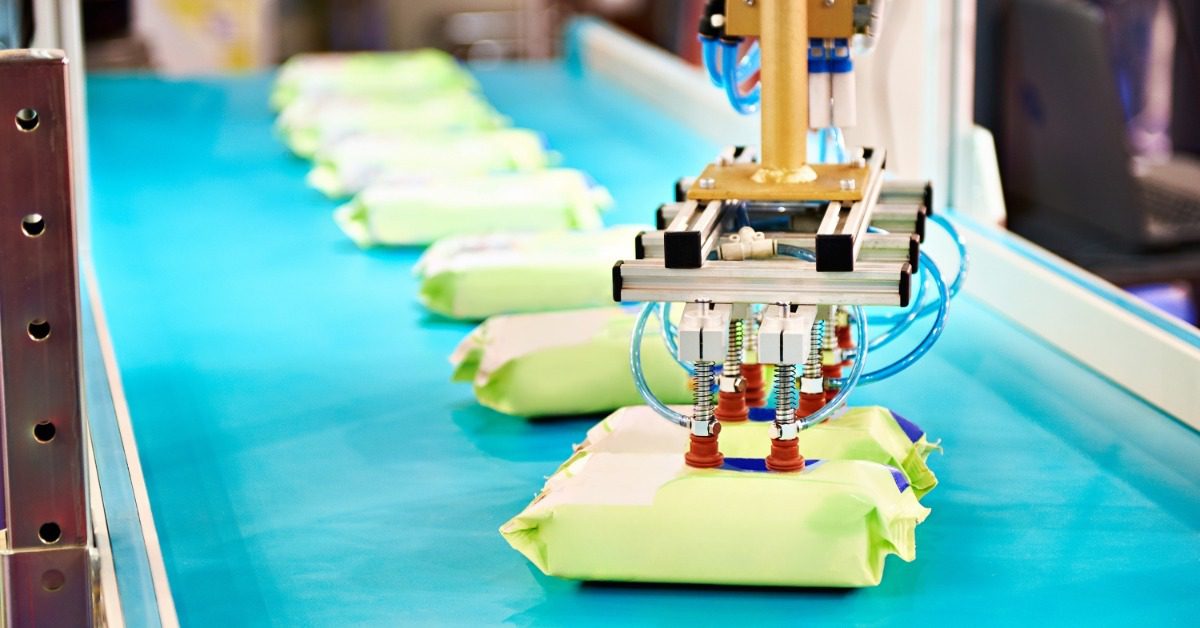
Packaging equipment must align with production schedules without creating unnecessary disruptions. That's why many manufacturers look closely at the benefits of modular packaging systems when planning future growth or improving operational flexibility. Small decisions about equipment can influence a variety of opportunities down the road. This guide explores what modular systems offer and helps you decide where they fit into a smarter packaging strategy.
Packaging equipment is a long-term investment, so flexibility plays an important role in protecting it. A modular system allows manufacturers to expand capabilities without replacing an entire production line whenever operational needs evolve. That approach helps businesses adapt to changing packaging formats while maintaining consistent productivity.
Production teams may introduce new products, adjust package sizes, or respond to customer requests throughout the year. Modular equipment supports those transitions with less disruption because individual components work together as part of a larger system.

Modular equipment supports steady operational improvements because manufacturers can add functionality as production requirements change. Rather than replacing an entire system, teams upgrade specific modules while keeping much of the existing equipment in service. That practical approach provides lasting value across many production environments.
Several practical advantages make modular systems attractive:
Maintenance influences production performance every day. Equipment that allows technicians to isolate individual sections typically reduces troubleshooting time because dismantling surrounding components is more efficient for service teams. Faster repairs also help production schedules remain predictable.
Accessible equipment layouts improve preventive maintenance as well. Regular inspections become easier to complete when important components are readily available. Consequently, facilities spend less time waiting for lengthy maintenance procedures before returning equipment to production.
Mechanical issues occasionally appear in every manufacturing environment. Modular equipment helps technicians identify problem areas quicker because systems separate individual functions into manageable sections. That organized structure supports efficient diagnostics while reducing unnecessary downtime.
Manufacturers typically don’t package the same kind of product forever. Consumer demand changes, retailers request new package sizes, and product portfolios continue growing across many industries. Modular systems give packaging operations greater freedom to introduce those changes without rebuilding an entire production process.
A flexible production environment also supports innovation. Teams can evaluate new packaging opportunities while continuing existing production because adaptable equipment accommodates evolving requirements. Consequently, companies remain competitive without sacrificing operational stability.
Package appearance influences purchasing decisions in many markets. Stand-up pouches, gusseted formats, zipper closures, and specialty shapes continue expanding across diverse applications. Modular equipment provides greater flexibility when manufacturers pursue those changing package designs.
Every year, packaging technology continues to advance and brings smarter automation, sharper inspection systems, more capable digital controls, and better ways to monitor production in real time—all of it aimed at helping manufacturers run efficiently. And as we've touched on already, modular platforms make it possible to take advantage of these advances without replacing an entire production line.
That's where modular systems prove their worth. As technology improves, being able to upgrade one section of equipment at a time means facilities can modernize on their own terms while protecting the investments they've already made. It's a steadier, more sustainable way to keep improving, rather than being forced into big, disruptive replacement projects every few years.
Today's packaging equipment communicates with the systems around it through integrated controls and monitoring platforms. That connectivity gives operators a clearer view of what's happening on the production line, so when conditions shift, they can respond right away instead of catching up after the fact. With better information flowing in throughout the day, informed decisions are made faster across daily operations.
Standardizing equipment across multiple production lines simplifies day-to-day operations in ways that extend beyond maintenance. Operators become familiar with similar controls, interfaces, and procedures, which shortens training time and helps teams transition between production lines with greater confidence. That consistency also reduces the learning curve when new employees join the operation.
Procurement benefits as well because facilities can maintain a smaller inventory of compatible replacement components instead of stocking unique parts for every machine. As a result, service planning is more efficient, and production managers gain greater flexibility when allocating resources across different packaging lines.
Packaging requirements differ across industries because products behave differently during filling and sealing. Equipment configurations should match production goals rather than forcing manufacturers into unnecessary compromises. Modular systems simplify that process by allowing facilities to select components that complement current operations.
Before selecting equipment, manufacturers should evaluate several operational considerations:
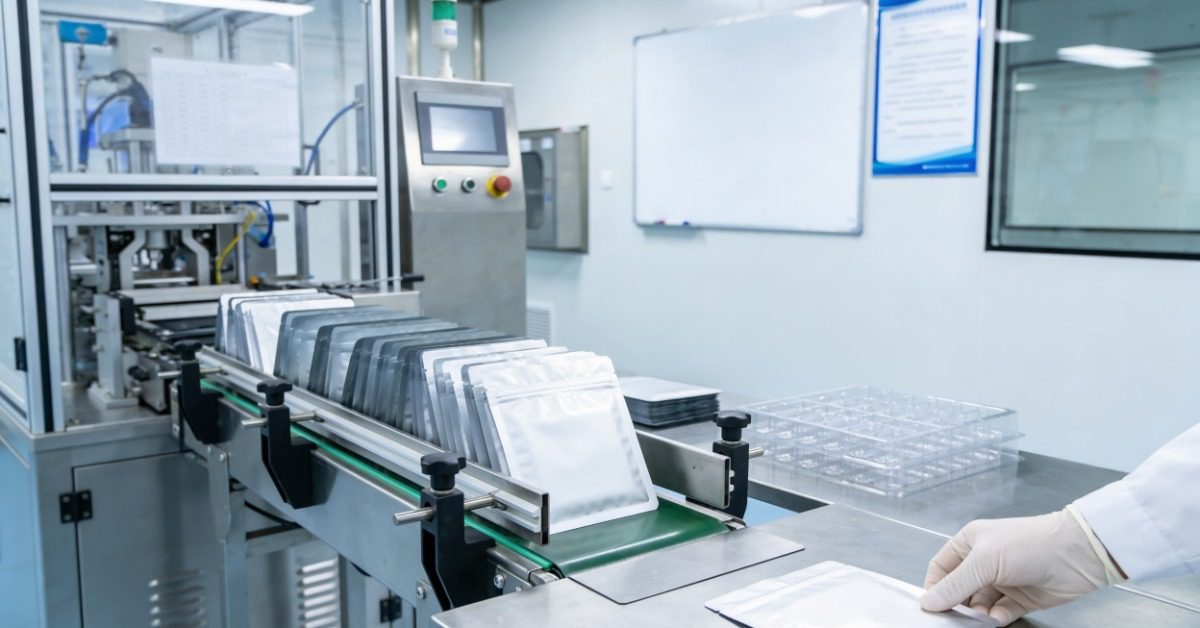
Coordination is crucial in a packaging line. Filling, sealing, inspection, and conveying each handle their own piece of the process, but the real performance gains come from how well those pieces work together. The benefit of modular architecture is that it ties every section into one cohesive process.
One example appears with a horizontal pouch packaging machine, which processes products in a horizontal orientation. Many manufacturers choose this equipment because it supports numerous pouch styles while providing flexibility for future production changes through compatible modular components.
Smooth product movement supports consistent production throughout every shift. Equipment that transitions efficiently between individual processing stages helps reduce unnecessary interruptions while maintaining reliable package quality. Better production flow also supports improved scheduling across larger manufacturing operations.
The packaging industry continues moving toward greater flexibility because manufacturers face constant changes in products, packaging formats, and customer expectations. Modular systems provide a practical response by supporting gradual expansion while preserving valuable equipment investments.
HMC Products recognizes those evolving production needs through our experience with horizontal pouch packaging equipment and related services. If you're evaluating future packaging improvements, start a conversation with our team today to explore practical solutions that align with your production goals.