
Search
Additional Links Contact Us- Phone: (800) 423-4198
- Toll-Free: (815) 885-1900
- Email: [email protected]


ProMach is your partner from start to finish. Our product brands are grouped into distinct business lines that make the most sense to our customers, covering every function of the production line: Filling, Bottling & Capping, Decorative Labeling, Flexibles & Trays, Pharma, Handling & Sterilizing, Labeling & Coding, Robotics & End of Line, and Systems & Integration.
learn more


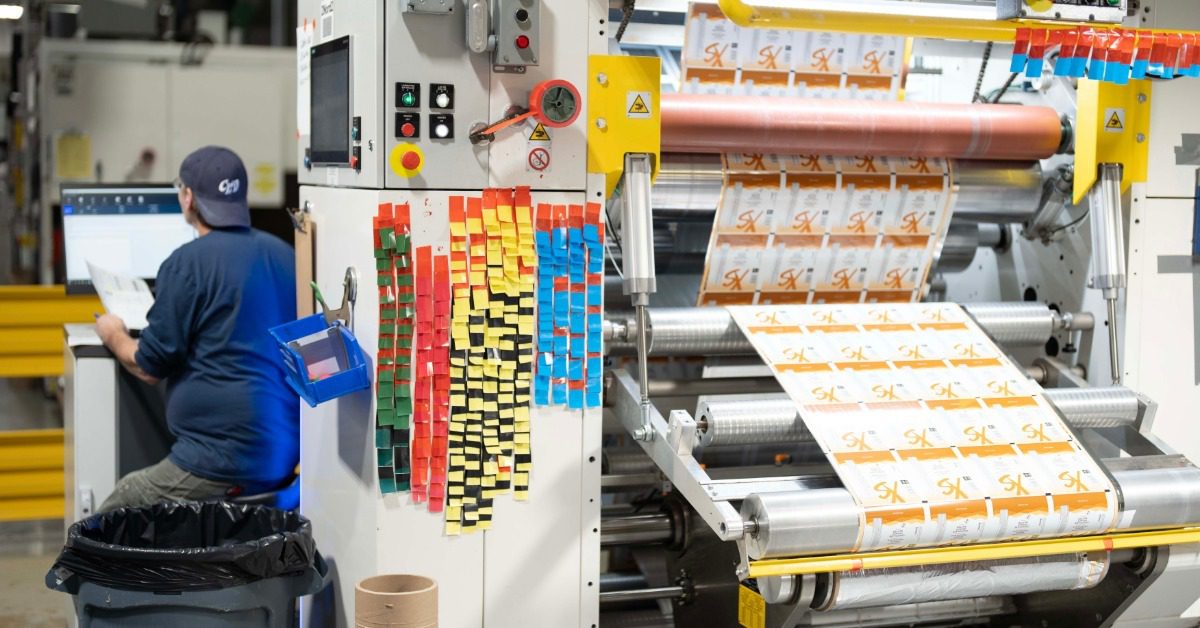
Every minute your packaging line sits idle affects production schedules and customer expectations. When you understand what interrupts performance, you can make smarter decisions before small issues grow into costly delays. To reduce downtime in your high-speed packaging lines, you should pay attention to equipment, processes, and operator habits. This guide explains practical ways to improve uptime while helping you build a more dependable packaging operation.
Before you solve recurring production issues, you need to understand why they happen. Looking beyond the immediate problem gives you a clearer picture of the conditions that created it in the first place.
Instead of reacting to every stoppage as a separate event, compare trends across multiple production runs. Similar disruptions frequently appear at predictable points during shifts or product changeovers. Therefore, identifying those patterns allows you to address the source instead of repeatedly fixing the same symptom.
Historical production data provides valuable context for current performance. Maintenance logs, quality reports, and downtime records frequently reveal recurring themes that operators may overlook during busy shifts. After reviewing that information together, your team can prioritize improvements with greater confidence.
Operators spend more time with packaging machines than anyone else. Their daily observations frequently highlight minor issues before sensors or production reports detect them. Creating an environment where employees regularly share those observations strengthens continuous improvement across the entire operation.
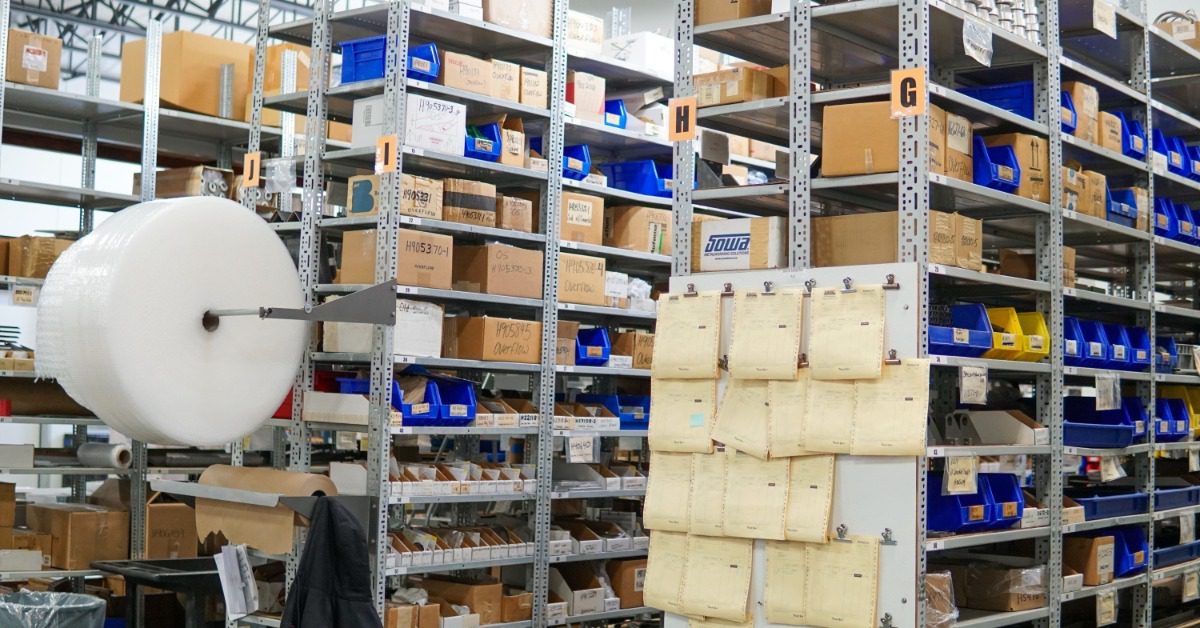
Reliable production depends on consistent maintenance instead of emergency repairs. Waiting until equipment fails usually creates longer interruptions because technicians must diagnose the issue first. Scheduled maintenance keeps critical components operating within expected performance ranges.
You also benefit when maintenance activities are organized and documented. Consistent inspection intervals allow technicians to replace worn components before they affect production quality.
Reviewing maintenance priorities helps support long-term reliability:
Packaging machines perform best when materials are consistent throughout production. Small differences in film properties, product characteristics, or storage conditions create unnecessary variability that increases the likelihood of interruptions. Paying attention to material quality helps stabilize the entire packaging process.
You should also evaluate incoming materials before they reach the production floor. Early inspection allows your team to identify potential concerns before production begins. That proactive approach reduces troubleshooting later in the shift.
Material partnerships also help support packaging efficiency. As part of the ProMach family, HMC collaborates with material providers such as CL&D to help ensure packaging materials are optimized for horizontal pouch applications, reducing compatibility issues and supporting more consistent production.
Packaging film behaves differently when thickness varies or storage conditions change. Slight inconsistencies may affect tracking accuracy and tension throughout the machine. Keeping material specifications consistent supports smoother production with fewer unexpected adjustments.
Products that fill inconsistently create unnecessary strain throughout the packaging process. Powders, liquids, and solid products each require stable flow characteristics to maintain repeatable filling cycles. Addressing product consistency before packaging begins helps eliminate avoidable interruptions later.
Technology supports production, but people are central to every successful packaging operation. Skilled operators recognize changing conditions sooner because they understand what normal performance looks like during daily production. Their experience allows them to make thoughtful adjustments.
Ongoing operator development reduces downtime across high-speed packaging lines. Better knowledge improves decision-making during production while creating greater consistency between shifts. Teams that understand machine behavior also communicate production concerns with greater accuracy.
Reliable packaging operations improve through continuous observation rather than occasional reviews. When you monitor machinery throughout production, you recognize gradual performance changes before they interrupt the entire line. Consistent monitoring also gives you better insight into which improvements deliver lasting results.
Modern systems collect valuable production information throughout each shift. Instead of viewing that information only after production ends, review it regularly so your team can respond while the line continues running. That approach creates steady operational improvements over time.
Many production delays happen between jobs. Every additional adjustment extends the time before production resumes, which gradually reduces overall productivity throughout the day. Careful planning shortens those transition periods without sacrificing quality.
Preparation also plays a valuable role before each scheduled changeover. When materials, tooling, and documentation remain ready ahead of time, operators spend less time searching for information during the transition. That preparation supports smoother production throughout the entire schedule.
The following practices help improve changeover efficiency:
Equipment selection influences long-term productivity just as much as daily operating practices. You benefit when machines provide dependable performance, readily available replacement parts, and service support that keeps production moving. Long-term value extends well beyond the initial purchase.
You should also evaluate the experience behind the equipment. HMC specializes in horizontal pouch packaging systems, providing expertise to support efficient production across a wide range of products and packaging formats. As part of the ProMach family, HMC can also leverage strategic partnerships to help customers identify complete solutions tailored to their long-term operational goals.
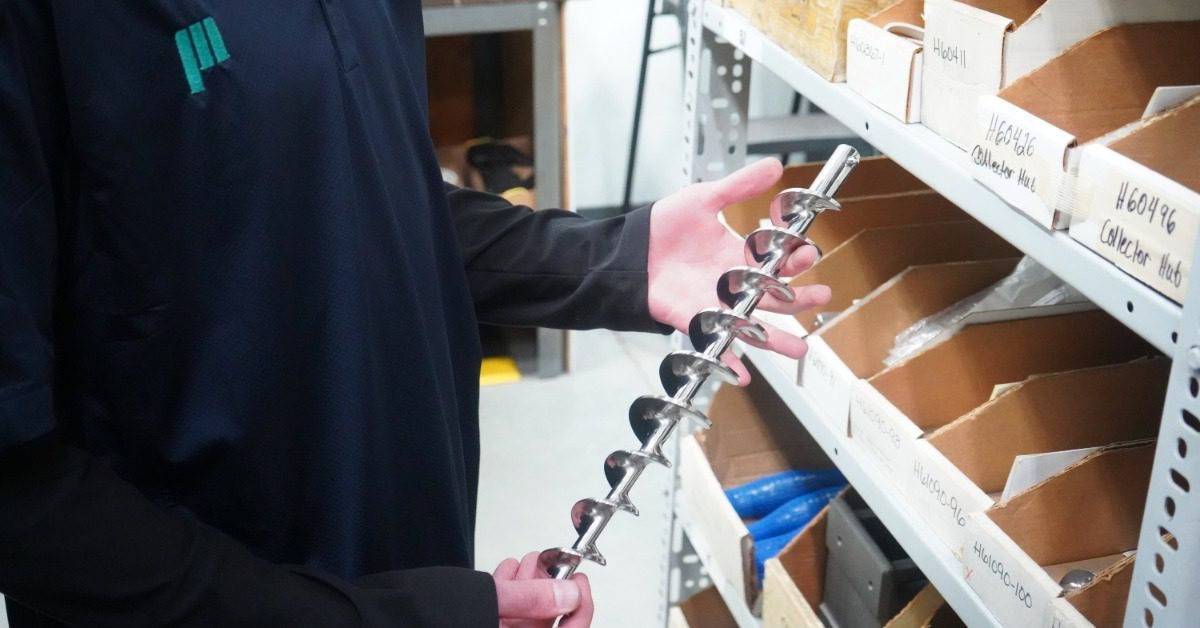
Even the most reliable equipment requires occasional maintenance and replacement components. HMC helps minimize downtime by maintaining more than $1.5 million in parts inventory, including over 3,000 different HFFS machine parts. Backed by more than 20 CNC machining centers, HMC can also provide quick-turn replacement components to help customers get back to production as quickly as possible.
Working with a reliable pouch packaging machine manufacturer gives you access to services that minimize production interruptions when maintenance or upgrades become necessary. HMC's experienced service team, responsive parts department, and expertise in horizontal pouch packaging systems help shorten repair times, improve long-term reliability, and ensure customers have the support they need to keep production moving. Strong service relationships also make future production planning easier.
Reducing downtime is never a one-time project because production demands evolve. Every improvement creates opportunities to evaluate another process or refine another workflow. Small, consistent improvements create meaningful operational gains in the long term. You also gain valuable perspective by reviewing completed improvements with your team. Open discussions encourage employees to share observations that support future decisions.
Every production run teaches something valuable if you take time to review it carefully. That mindset helps your operation stay adaptable while supporting reliable performance across changing production requirements.
HMC Products helps manufacturers improve packaging performance with horizontal pouch packaging equipment backed by expert service, extensive parts availability, and the resources of the ProMach family. Through strategic relationships with providers like CL&D and decades of pouch packaging experience, HMC helps customers reduce downtime and support long-term operational efficiency. Contact our team to discuss solutions for your operation.