
Search
Additional Links Contact Us- Phone: (800) 423-4198
- Toll-Free: (815) 885-1900
- Email: [email protected]


ProMach is your partner from start to finish. Our product brands are grouped into distinct business lines that make the most sense to our customers, covering every function of the production line: Filling, Bottling & Capping, Decorative Labeling, Flexibles & Trays, Pharma, Handling & Sterilizing, Labeling & Coding, Robotics & End of Line, and Systems & Integration.
learn more



Walk onto almost any packaging floor, and you’ll notice something: the equipment isn’t always the problem. In many cases, performance gaps come down to how operators interact with the line. Small inconsistencies in setup, adjustments, and troubleshooting reduce output, increase waste, and create avoidable downtime.
That’s where operator training changes the equation. When teams understand not just what to do but why it matters, they make faster decisions, prevent common issues, and keep production moving. Investing in operator training for packaging lines reshapes how your entire operation performs.
Packaging lines rely on precision. Misalignment, incorrect settings, or delayed responses to issues can disrupt throughput. When your team receives structured, hands-on training, they gain the confidence to maintain consistency across shifts.
Instead of reacting to problems after they escalate, trained operators anticipate them. They recognize early warning signs, adjust proactively, and maintain stable output. Over time, this creates a more predictable and efficient production environment.
Unplanned downtime often stems from hesitation or uncertainty. When operators aren’t fully trained, they may pause longer than necessary or escalate issues that they could resolve independently.
With proper training, workers approach problems methodically. They identify root causes faster, apply the right adjustments, and get the line running again without unnecessary delays. This shift reduces reliance on maintenance teams for routine issues and keeps production on track.
The result is less downtime and faster recovery when interruptions do occur.
Consistency matters in pouch packaging. Variations in seal integrity, fill accuracy, or material handling can lead to rejected products and increased waste. Operator training helps eliminate those inconsistencies at the source.
When operators understand how machine settings influence outcomes, they maintain tighter control over quality. They make precise adjustments, monitor performance closely, and ensure every product meets expectations.
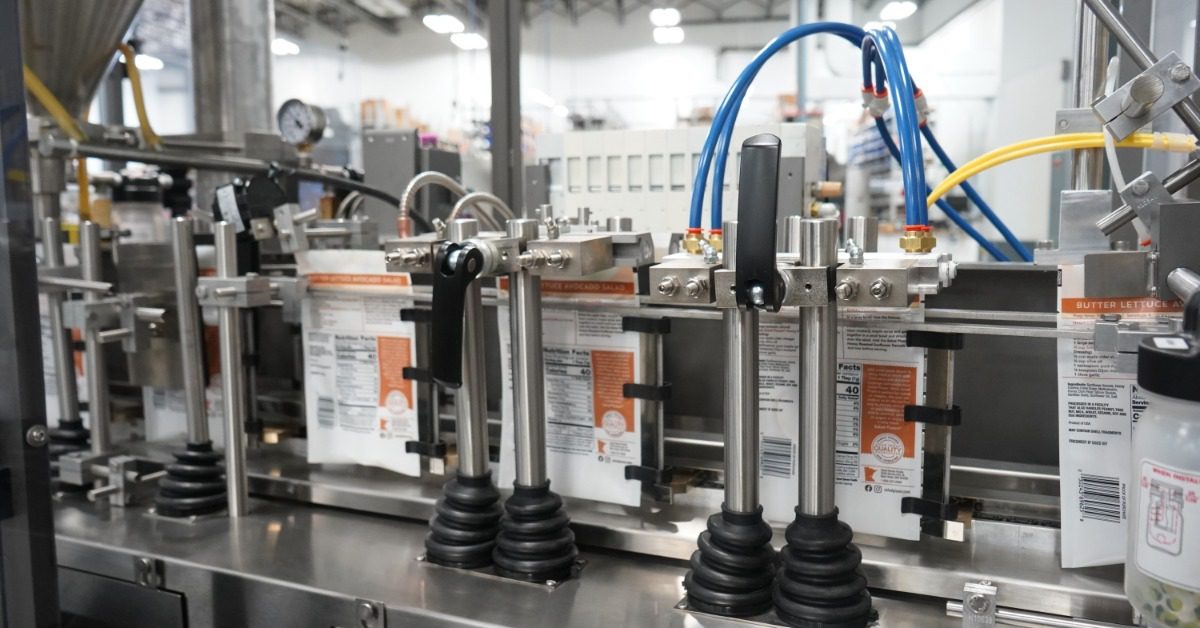
Training strengthens quality control in several key areas:
These improvements don’t happen by chance; they come from operators who know how to execute with precision.
Modern packaging lines involve more advanced systems than ever before. For example, HFFS packaging requires synchronized movement between forming, filling, and sealing processes. Each step depends on the previous one operating correctly.
Without proper training, operators may struggle to maintain that coordination. Investing in their training empowers them to understand how different components interact, allowing them to fine-tune performance without disrupting the flow.
This deeper understanding becomes especially important as product formats, materials, and speeds continue to evolve.
Packaging equipment operates at high speeds and involves moving parts, heat, and pressure. A lack of proper training leaves operators facing increased risk when interacting with these systems.
Training builds awareness. Workers learn safe procedures for setup, operation, and troubleshooting. They understand how to avoid hazardous situations and respond appropriately if something goes wrong. Safer operations protect employees and prevent costly incidents that can halt production entirely.
Frequent changeovers often create bottlenecks, especially when operators lack confidence in the process. Delays in the set-up stages can ripple through the entire production schedule.
By effectively training your team, you eliminate that uncertainty for them. Operators follow structured procedures, complete adjustments quickly, and reduce variability between runs. As a result, your line becomes more flexible and responsive to changing production demands.
Faster changeovers also allow you to run smaller batches without sacrificing efficiency, which supports a wider range of products and formats.
When workers feel unsure, they hesitate. That hesitation leads to slower responses, missed optimization opportunities, and inconsistent performance.
Changing that mindset through relevant training improves those knowledge gaps. Operators gain confidence in their decisions, take ownership of their role, and contribute more actively to line performance. This shift creates a stronger culture of accountability across your production team.
Material waste, product rejects, and inefficiencies all impact your bottom line. Many of these issues can arise from inconsistent operation, not only equipment limitations.
Trained operators minimize waste by maintaining proper settings, identifying issues early, and avoiding unnecessary adjustments. They use materials more efficiently and reduce the number of defective products leaving the line.
Over time, these improvements translate into measurable cost savings without requiring major equipment changes.
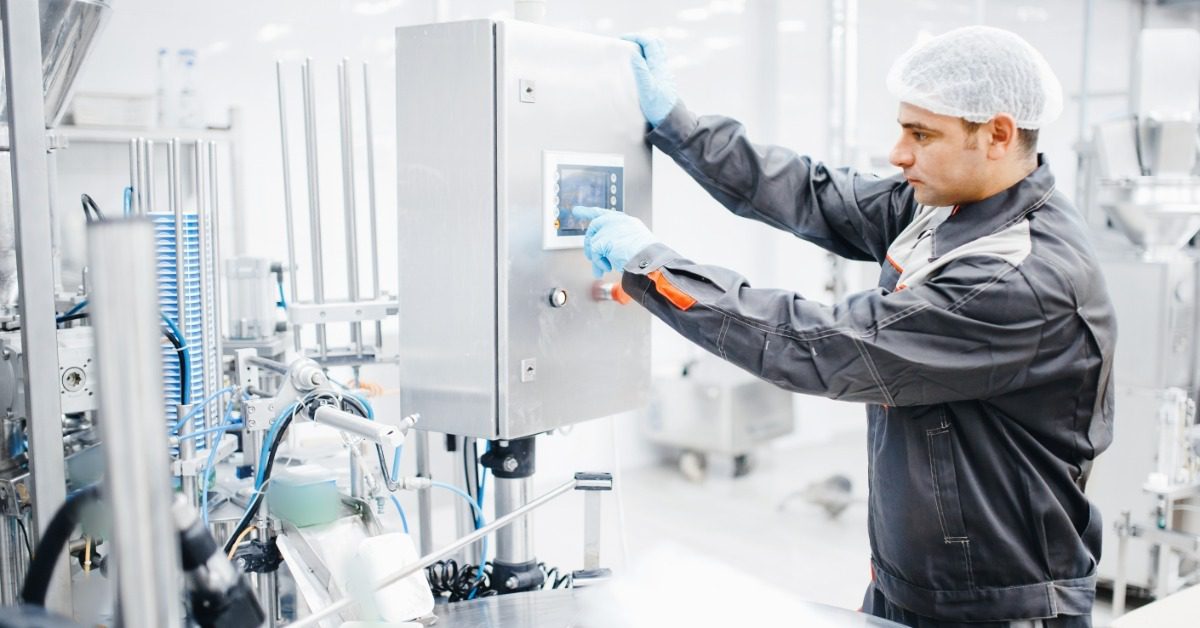
One of the most overlooked challenges in packaging operations involves consistency between shifts. If operators approach the same process in different ways, that leads to variability in output.
Another benefit of training is that it standardizes those approaches. Every operator follows the same best practices, procedures, and performance expectations. This alignment ensures that your line performs consistently regardless of who’s running it.
Operator training doesn’t deliver a one-time benefit; it compounds in the long run. As they gain experience and reinforce their knowledge, they continue to refine their skills and improve performance.
This ongoing development supports scalability. As production demands grow or product lines expand, your team adapts without requiring constant external support.
Training also strengthens your workforce. Skilled operators turn into valuable assets, helping your operation stay competitive in an increasingly demanding market.
The reasons for investing in operator training for packaging lines become clear when you look at the bigger picture. Better training leads to less downtime, stronger quality, improved safety, and more consistent output across your operation.
For companies working with pouch packaging systems, this investment becomes even more critical. The complexity of modern equipment requires a team that understands both the mechanics and the strategy behind each adjustment.
HMC Products supports this need by working closely with manufacturers to improve how their packaging lines perform in real-world conditions. If you’re looking to strengthen your operation from the inside out, we can help you prioritize operator training and build a more capable, confident team.