
Search
Additional Links Contact Us- Phone: (800) 423-4198
- Toll-Free: (815) 885-1900
- Email: [email protected]


ProMach is your partner from start to finish. Our product brands are grouped into distinct business lines that make the most sense to our customers, covering every function of the production line: Filling, Bottling & Capping, Decorative Labeling, Flexibles & Trays, Pharma, Handling & Sterilizing, Labeling & Coding, Robotics & End of Line, and Systems & Integration.
learn more


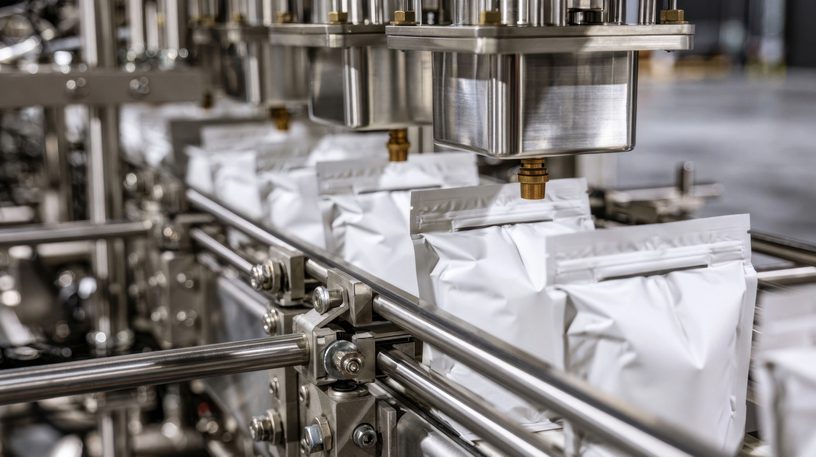
Every packaging line tells a story through its daily performance, but you need the right data to understand what it's saying. When you track key metrics of a packaging line’s output, you gain a clearer picture of production. Instead of reacting after problems affect schedules or product quality, you can recognize trends early and make informed decisions. Throughout this guide, you'll learn which measurements deserve your attention and why they provide a stronger view of overall line performance.
You might assume that producing more packages every hour always reflects strong performance. However, a line that reaches its production target while creating excessive waste or frequent interruptions still leaves room for improvement. Looking beyond simple production counts gives you a clearer understanding of daily performance.
As you review operational data, pay attention to the relationship between speed and consistency. Stable production creates predictable scheduling, while fluctuating performance introduces uncertainty throughout the facility. Therefore, the most valuable measurements help you recognize patterns rather than isolated events.
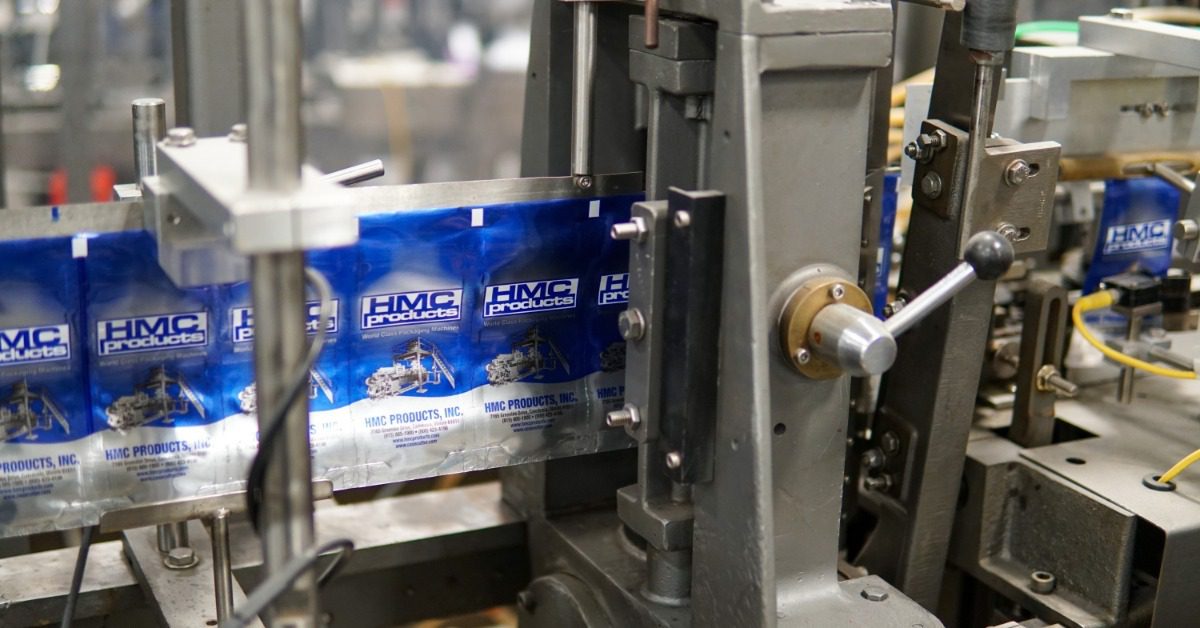
Every production line experiences small variations throughout the day. Your goal should be to reduce unnecessary variation rather than chasing maximum speed during every run. Stable production creates dependable scheduling and gives operators greater confidence when switching between products.
Keep these measurements in mind during routine evaluations:
Minor improvements may seem unremarkable during a single shift, yet they accumulate throughout the month. Shorter interruptions and smoother changeovers support stronger production without requiring major operational changes. Consequently, reviewing performance regularly helps you recognize progress that simple output totals might overlook.
When production stops unexpectedly, every minute affects productivity. Operators lose momentum and downstream processes wait for completed products. Addressing downtime begins with understanding why each interruption occurred instead of simply recording that it happened.
Likewise, you should separate planned maintenance from unexpected stoppages. Scheduled service protects long-term equipment reliability, while recurring breakdowns point toward issues that deserve closer attention. Recording detailed notes alongside downtime data gives maintenance teams valuable context during future inspections.
High production numbers lose their value when finished packages fail inspection or require rework. Every rejected pouch consumes production time that your operation cannot recover. Therefore, quality measurements deserve the same attention as production speed.
Catching inconsistencies early gives operators time to fine-tune machine settings. That proactive approach limits unnecessary rework and helps maintain steady throughput without interrupting the schedule.
If you run a horizontal form fill seal machine, pay close attention to how sealing performance, product dosing, and cycle timing influence one another. A slight change in one area can affect every pouch that follows, so reviewing performance data during production helps you spot trends. Over time, those adjustments improve resource utilization and give you greater confidence that every package meets the same production standards.
Every production change introduces an opportunity to gain or lose valuable operating time. Long changeovers reduce available production hours and make it harder to respond quickly to shifts in customer demand. When you review setup performance regularly, you'll uncover opportunities to simplify routine tasks and improve consistency.
Review these areas whenever you evaluate changeover performance:

You can shorten changeovers by preparing materials and verifying settings before production stops. Clear procedures help every operator follow the same process while reducing unnecessary delays. As a result, operations resume with greater consistency and fewer startup adjustments.
Running equipment at maximum speed doesn't always produce the strongest overall results. Small fluctuations become harder to control when operators constantly push machinery to its limits. Finding a sustainable operating pace creates steadier production throughout the day.
If you increase production speed beyond what the line comfortably supports, quality issues and short interruptions may begin appearing more frequently. Those small disruptions gradually reduce the productivity gains that higher speeds initially promised. Instead, focus on maintaining a pace that supports reliable performance over the entire production schedule.
Collecting production information serves little purpose unless you apply it to daily decisions. Regular reviews help supervisors and maintenance teams recognize developing trends before they become expensive problems. Consequently, performance discussions become more productive because everyone works from the same reliable information.
Start with a consistent review schedule that encourages your team to discuss production results together. Over time, those conversations build a stronger understanding of what normal performance looks like and where improvements should be prioritized. Continuous evaluation creates a culture that values steady progress instead of short-term gains.
Every department influences production in some way, which means performance data should never exist in isolation. Maintenance activity, material quality, and production planning all affect the numbers you review at the end of each shift. Looking at those relationships gives you a much clearer understanding of overall performance.
Suppose production slows after introducing new packaging materials. Looking only at output numbers may suggest an equipment issue, while a broader review could reveal adjustments needed for sealing temperatures or machine settings. When you connect information across departments, your decisions are more accurate and effective.
Every production line generates valuable information that’s only useful when you translate it into practical improvements. As you continue evaluating performance, focus on steady progress and you'll build a stronger foundation for long-term success.
If you'd like expert guidance on improving horizontal pouch packaging performance, HMC Products offers experience with equipment, rebuilds, modernization, and production support that fits real manufacturing environments. Reach out to our team to start a conversation about getting more value from every production run.