
Search
Additional Links Contact Us- Phone: (800) 423-4198
- Toll-Free: (815) 885-1900
- Email: [email protected]


ProMach is your partner from start to finish. Our product brands are grouped into distinct business lines that make the most sense to our customers, covering every function of the production line: Filling, Bottling & Capping, Decorative Labeling, Flexibles & Trays, Pharma, Handling & Sterilizing, Labeling & Coding, Robotics & End of Line, and Systems & Integration.
learn more


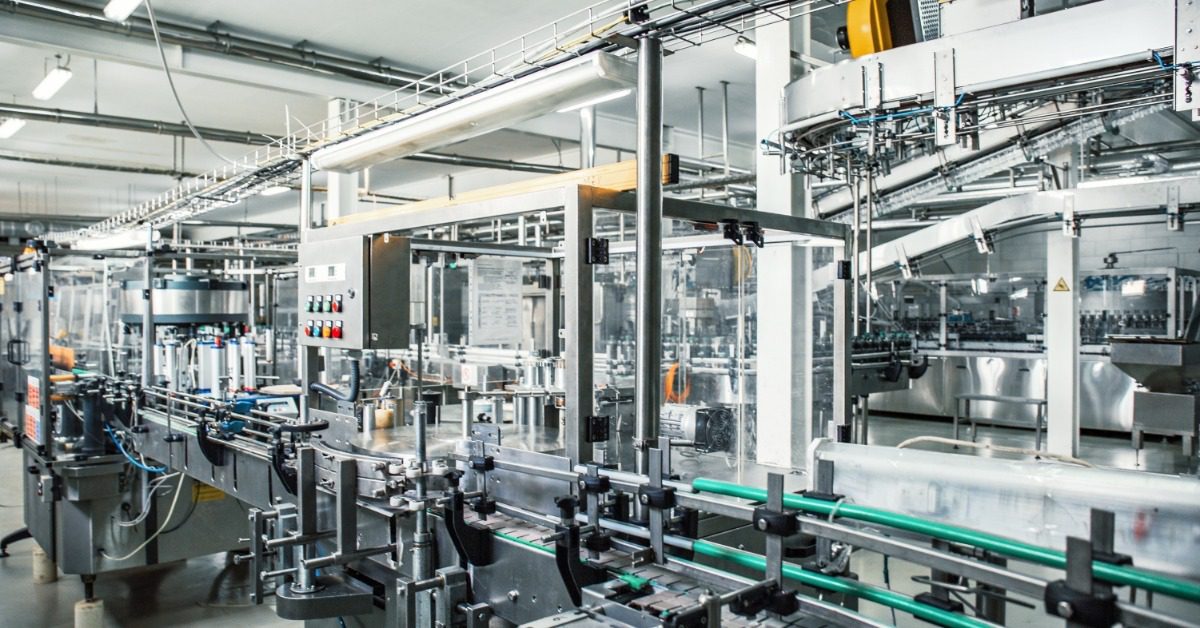
Production teams require better visibility into packaging performance as production demands rise. Many facilities still depend on outdated reporting methods, making it challenging to identify problems before they impact output and efficiency. Smart packaging equipment addresses this issue by converting machine activity into real-time operational insights that facilitate more consistent production. As businesses increasingly emphasize measurable performance improvements, connected packaging systems are becoming a crucial component of manufacturing strategies.
Many packaging inefficiencies begin with delayed information. When operators wait until the end of a shift to review production numbers, valuable opportunities disappear. Smart equipment continuously tracks performance metrics that allow production teams to respond immediately when conditions change.
Machine dashboards provide live information tied to fill accuracy and output rates. Managers no longer need to walk the floor collecting fragmented updates from multiple operators. Instead, they gain a centralized view of line performance throughout the day.
Real-time visibility also strengthens communication between departments. Maintenance teams can identify recurring stoppages faster, while production managers can compare actual output against planned targets without relying on manual logs. As response times improve, facilities reduce interruptions that previously created avoidable production losses.

Unexpected downtime disrupts schedules and creates unnecessary material waste. Traditional maintenance programs rely heavily on fixed service intervals, but smart packaging equipment shifts maintenance toward actual machine performance.
Sensors monitor temperature fluctuations, cycle consistency, and component wear patterns across critical machine systems. When the equipment detects irregular behavior, maintenance teams receive alerts before failures escalate into larger operational problems.
Consistency remains one of the most valuable outcomes smart packaging equipment provides. Small variations in sealing temperature or material alignment can create packaging defects across large production volumes.
Connected systems continuously monitor these variables throughout production cycles. When readings move outside acceptable ranges, operators receive immediate notifications so they can correct the issue before it affects larger quantities of product.
Smart systems also improve repeatability between production runs. Recipes and machine settings can store precise operating parameters for different pouch styles or product formulations. Operators avoid lengthy manual adjustments while maintaining tighter consistency from shift to shift.
Packaging waste affects profitability far beyond material costs alone. Scrap increases cleanup requirements and disrupts inventory planning. Smart equipment helps reduce those losses through tighter operational control.
Advanced monitoring systems track material tension and registration alignment throughout production. When inconsistencies begin to appear, operators can intervene immediately rather than allowing defects to go unnoticed.
Facilities also gain better visibility into long-term waste patterns. Historical reporting reveals which production runs experience recurring issues and which operating conditions produce the strongest results. Over time, those insights support stronger purchasing decisions and more efficient production planning.
As sustainability initiatives continue shaping manufacturing priorities, reducing packaging waste also supports broader environmental goals without sacrificing production performance.
Packaging equipment generates significant amounts of operational data, and smart systems help operators use that information effectively. Automated reporting simplifies complex machine activity so that operators can respond with greater confidence.
Instead of relying solely on experience or manual troubleshooting, teams receive direct insight into production conditions. This reduces guesswork during changeovers and troubleshooting situations. Operators identify the source of problems faster, which shortens downtime and improves line stability.
Training is also more efficient when equipment provides consistent performance feedback. New operators gain clearer visibility into machine behavior while experienced teams can refine processes using actual production data. These improvements support stronger coordination between production staff and management teams.
Smart packaging equipment delivers greater value when facilities integrate production systems across departments. Packaging data no longer remains isolated at the machine level. Modern systems connect with plant-wide reporting software and operational management systems.
This integration creates stronger alignment between inventory control and production forecasting. Managers can compare packaging performance against broader operational goals while identifying patterns affecting efficiency.
For example, if packaging speeds decline during specific material runs, purchasing teams can review supplier consistency alongside production data. If recurring downtime appears during changeovers, supervisors can adjust scheduling or staffing strategies accordingly.
Facilities gain stronger operational awareness because data moves beyond isolated machine reporting and becomes part of larger business decision-making processes.

Manufacturers continue facing increased pressure to handle multiple SKUs, custom pouch formats, and changing consumer demands. Smart packaging systems support this flexibility by simplifying changeovers and improving production adaptability.
Modern equipment stores production settings tied to specific pouch styles and sealing configurations. Operators can switch between formats more efficiently while maintaining tighter consistency across runs.
A properly configured HFFS machine supports faster transitions between pouch structures while maintaining accurate forming and sealing performance. When production demands shift quickly, responsive equipment helps facilities maintain output.
Many facilities initially invest in smart packaging equipment to solve immediate production challenges. Over time, the long-term value of operational data becomes equally important.
Historical production reporting reveals trends tied to efficiency, maintenance performance, and waste reduction. Leadership teams can evaluate which process changes delivered measurable improvements and which areas continue limiting production performance.
This information strengthens future investment planning. Facilities gain clearer insight into upgrade priorities and operational bottlenecks. Instead of relying on assumptions, companies can support decisions with measurable production data collected directly from equipment activity.
As manufacturing environments become more competitive, data-driven operations provide stronger control over profitability, consistency, and long-term scalability.
Packaging operations continue growing more complex as manufacturers balance efficiency, quality expectations, and material costs. Smart equipment helps companies manage those pressures with stronger visibility into every stage of production.
Facilities that embrace data-driven packaging strategies position themselves to reduce waste more effectively and improve operational consistency across changing production demands. Reliable reporting also creates stronger collaboration between departments, which supports better long-term planning.
HMC Products continues to support manufacturers seeking smarter pouch packaging solutions built around operational efficiency and production insight. As facilities evaluate future equipment investments, connected systems capable of delivering actionable production data will continue shaping the direction of modern packaging operations. Contact us today to evaluate the best approach for your needs.