
Search
Additional Links Contact Us- Phone: (800) 423-4198
- Toll-Free: (815) 885-1900
- Email: [email protected]


ProMach is your partner from start to finish. Our product brands are grouped into distinct business lines that make the most sense to our customers, covering every function of the production line: Filling, Bottling & Capping, Decorative Labeling, Flexibles & Trays, Pharma, Handling & Sterilizing, Labeling & Coding, Robotics & End of Line, and Systems & Integration.
learn more


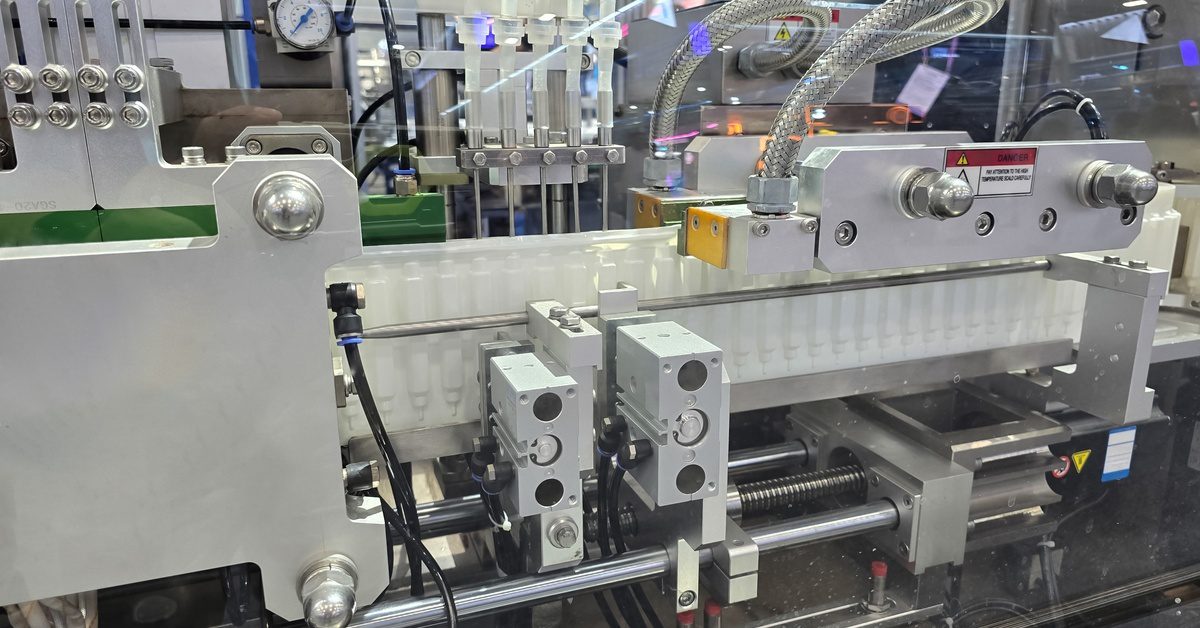
Packaging facilities must run dependable forming, filling, and sealing processes that deliver consistent pouches. The pressure often appears at the end of the line, where products must move quickly into the shipping phases without slowing production.
When that final stage falls behind, the entire operation feels it. Operators stack finished pouches manually, conveyors back up, and shipping schedules tighten. That’s why manufacturers now take a closer look at end-of-line packaging innovations. Modern automation and smarter system integration allow companies to reduce operational stress.
This is where the ProMach One approach changes the dynamic. By leveraging a single organization that covers the entire production line, manufacturers can move beyond individual machines and implement a turnkey, integrated solution. This "one-stop" connectivity ensures that upstream speed is never sacrificed to downstream limitations.
If you run horizontal pouch packaging machines, understanding end-of-line automation can help you strengthen your entire packaging line.
End-of-line packaging determines how much product your facility ships each day. Even when upstream machines run flawlessly, poor downstream coordination can create bottlenecks.
Today’s production environment leaves little room for those delays. Retail distribution, contract manufacturing, and e-commerce fulfillment demand consistent output and predictable packaging performance.
Manual case packing or palletizing might work during slower shifts, but those processes struggle to keep up with modern pouch production speeds.
Innovative end-of-line systems help manufacturers solve those challenges by improving:
Many manufacturers take this further by aligning end-of-line performance with upstream processes, creating a more efficient production environment across the entire line.
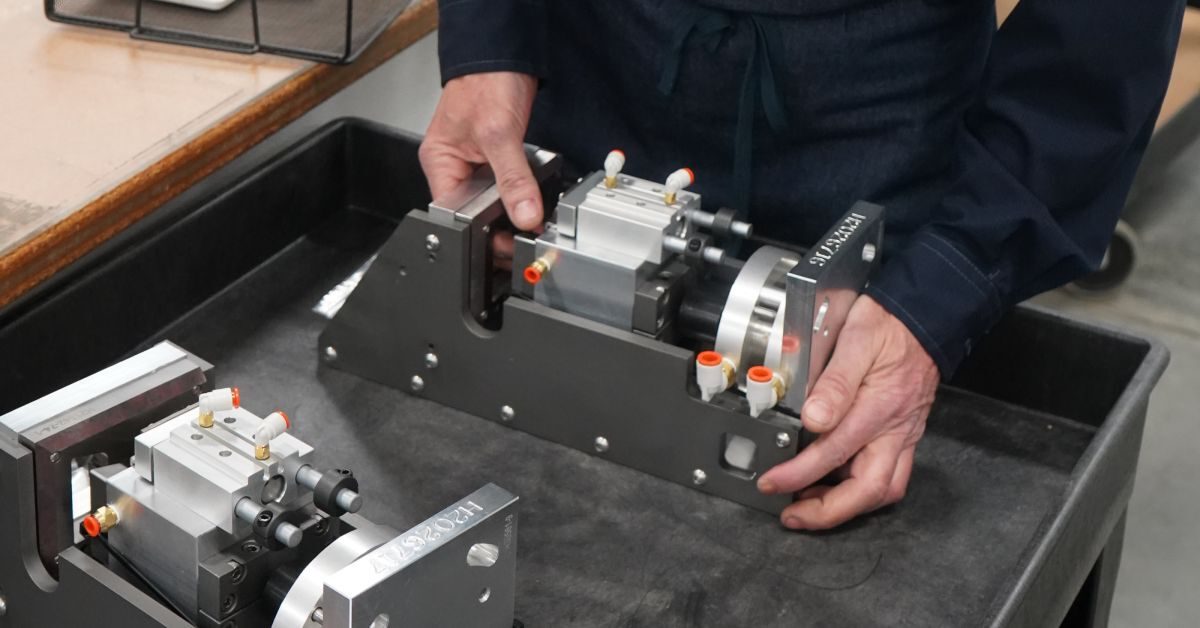
Traditional conveyor systems move products in a fixed pattern. While reliable, they rarely adapt to changing production conditions.
Modern conveyor technology focuses on flexibility. Sensors and intelligent controls allow conveyors to adjust spacing, speed, and product orientation in real time.
For pouch packaging operations, this flexibility matters. Pouches vary widely in shape, weight, and stability depending on the product inside. Liquids, powders, and snack mixes all behave differently as they travel across a line.
Managing that level of variability requires more than standalone equipment. Through integrated partnerships across the ProMach network, including Shuttleworth and Benchmark technologies, manufacturers can implement conveyance systems that maintain product control.
Robotics has transformed end-of-line packaging in recent years. What once required multiple operators can now run with remarkable accuracy using robotic case packers. ProMach brands like Quest and Brenton specialize in these secondary packaging solutions, engineered to pick and place pouches with high-speed precision.
These systems identify pouch orientation, pick products from conveyors, and place them precisely into cartons or cases. Advanced vision systems ensure every product lands correctly, even when pouch shapes vary.
Manufacturers benefit from several advantages. Robots operate continuously without fatigue, maintain consistent packing patterns, and adapt quickly to new pouch sizes.
When these robotic systems integrate with broader end-of-line solutions, manufacturers gain more efficiency by coordinating case packing with upstream and downstream equipment through a unified system approach.
Even the most efficient packaging lines experience brief interruptions. Carton changes, pallet swaps, or inspection checks can temporarily pause downstream equipment.
Modern accumulation systems absorb those fluctuations. They temporarily hold finished pouches while downstream processes catch up. Instead of forcing the entire line to stop, accumulation zones maintain production stability. Operators gain valuable time to resolve minor interruptions without disrupting the entire operation.
When implemented correctly, accumulation improves line efficiency and protects overall equipment effectiveness.
End-of-line packaging innovations also play an important role in quality control. Many systems now integrate inspection technologies directly into the packaging flow.
Vision inspection verifies pouch alignment, label accuracy, and print quality before products are placed in cartons. Checkweighers confirm fill consistency and flag packages that fall outside acceptable ranges.
Metal detection or seal verification is also a part of this stage. By identifying issues before products leave the packaging area, manufacturers reduce costly recalls and protect brand reputation.
End-of-line innovations have become especially valuable for operations that rely on horizontal pouch packaging machines. These systems produce high volumes of flexible pouches that require careful downstream handling.
A single HFFS machine can deliver hundreds of finished pouches every minute, depending on the application. Without efficient downstream equipment, those pouches quickly overwhelm manual packing stations.
Automated case packers, smart conveyors, and robotic palletizers ensure that high production speeds remain manageable. Instead of creating backlogs, end-of-line systems maintain a steady flow and protect product integrity.
The ProMach One approach brings together multiple specialized packaging technologies across a single production line. Instead of managing separate vendors for each stage, manufacturers can leverage a network of complementary solutions designed to work together seamlessly.
This level of integration reduces compatibility issues, simplifies project management, and improves long-term performance.
Manufacturers pack a variety of products. New pouch sizes, promotional packaging, and seasonal products constantly change production requirements. End-of-line packaging innovations focus on flexibility.
Modular equipment designs allow companies to add new capabilities without rebuilding entire lines. Robotic systems adapt easily to new product patterns. Adjustable conveyors accommodate varying pouch dimensions. Smart controls allow operators to reconfigure packaging sequences.
These design approaches protect long-term investments. Instead of replacing equipment every few years, manufacturers upgrade and adapt existing systems. That adaptability keeps packaging operations competitive as market demands evolve.
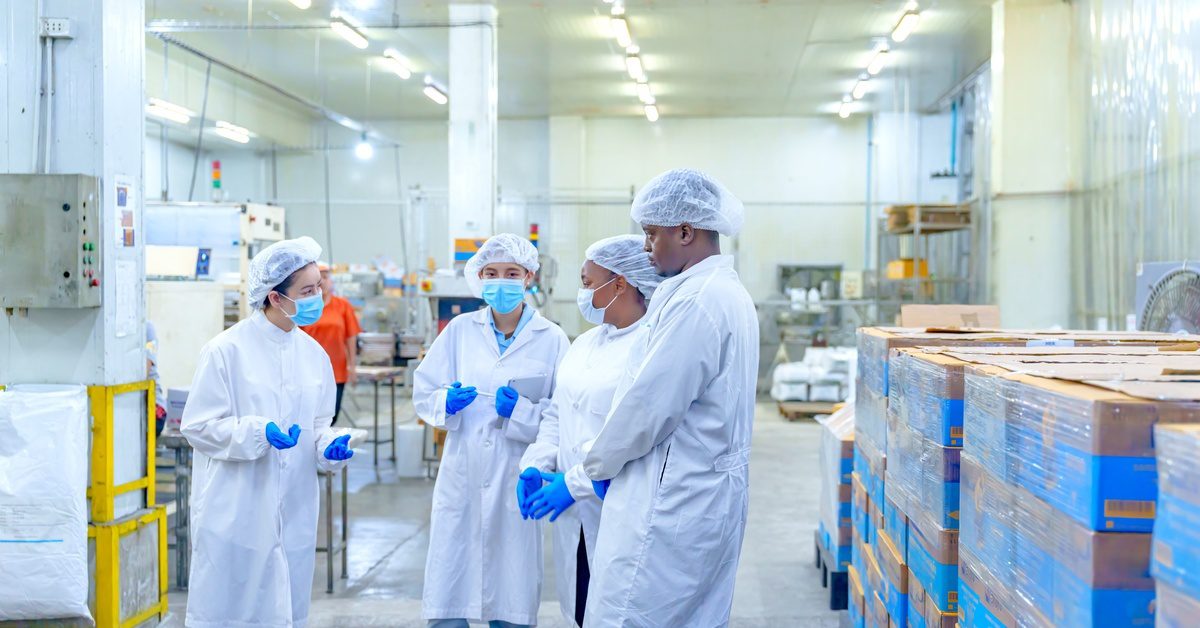
Automation improves efficiency, but skilled operators remain essential to successful packaging operations.
Modern end-of-line systems rely on technicians who understand both equipment performance and production goals. These professionals monitor machine behavior, analyze data, and make adjustments that maintain peak performance.
Training, therefore, plays a major role in successful packaging innovation. Companies that invest in operator education unlock the full potential of advanced equipment. When people and technology work together effectively, packaging operations achieve productivity and reliability.
Companies that once focused on filling and sealing now recognize the importance of optimizing the entire packaging line, including how end-of-line systems integrate with upstream processes.
By improving case packing, inspection, and palletizing processes, manufacturers eliminate hidden inefficiencies that limit throughput. The result includes improved product quality and better workforce utilization.
Facilities that integrate end-of-line packaging innovations often uncover opportunities they hadn’t previously considered. By partnering with HMC Products, manufacturers can implement specialized solutions across their packaging line, ensuring each component works together as a cohesive system. Working with HMC also allows you to leverage ProMach’s nearly limitless global resources and specialized organizations, ensuring that whether you are installing a single HFFS machine or a complete production line, you have the backing of a world-class network dedicated to your success.
Packaging operations never remain static. New materials, changing consumer expectations, and evolving distribution channels constantly reshape production requirements. End-of-line packaging innovations provide manufacturers with the tools needed to meet those changes confidently.
Companies exploring these improvements often benefit from working with partners who understand how to connect every stage of the packaging process. HMC Products specializes in horizontal pouch packaging systems, helping manufacturers evaluate equipment configurations that strengthen packaging performance.
If your operation continues to grow or your packaging line feels stretched, now is the right time to evaluate how modern end-of-line technologies can support your goals. The right upgrades don’t just improve packaging; they create a stronger, more resilient production environment ready for the demands ahead.