
Search
Additional Links Contact Us- Phone: (800) 423-4198
- Toll-Free: (815) 885-1900
- Email: [email protected]


ProMach is your partner from start to finish. Our product brands are grouped into distinct business lines that make the most sense to our customers, covering every function of the production line: Filling, Bottling & Capping, Decorative Labeling, Flexibles & Trays, Pharma, Handling & Sterilizing, Labeling & Coding, Robotics & End of Line, and Systems & Integration.
learn more


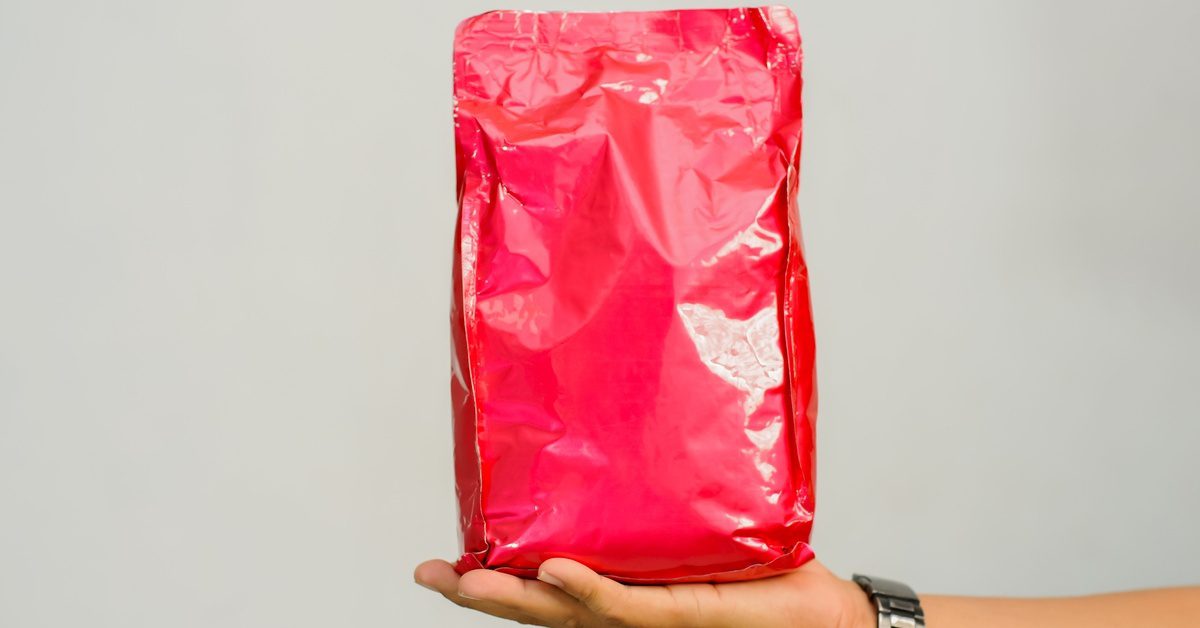
Choosing the right packaging is key to keeping your product fresh, visually appealing, and cost-effective. Many businesses struggle with costly or ineffective options. Stand-up pouches offer a flexible solution for various industries—protecting their contents, displaying well, and reducing shipping costs. Here's a guide to 8 times when stand-up pouches work best, and when to avoid them.
Your product has seconds to grab a shopper's attention. Rigid containers often fall flat here because they have limited printable surface area or awkward shapes.
Stand-up pouches act like mini billboards. Because they stand vertically on their own, the entire face of the package faces the customer. This gives you a massive canvas for branding, graphics, and product information.
You can use high-definition rotogravure printing to create vibrant, eye-catching designs. A glossy finish or a matte look can differentiate your brand from the competition next door. If visual impact matters most for your sales strategy, these pouches deliver results.
Walk down the snack aisle of any grocery store. You will see row after row of stand-up pouches holding everything from granola and nuts to dried fruit and pretzels.
These pouches provide excellent barrier protection against moisture, oxygen, and light. These three elements are enemies of crispness and flavor. Multi-layer films keep the environment out and the freshness in.
Consumers also love convenience. Many dry goods pouches come with resealable zippers. This feature allows people to snack a little at a time without worrying about the rest going stale. It improves the user experience without increasing production costs.
It might seem counterintuitive to put liquid in a bag, but stand-up pouches handle fluids well. We see this often with juice boxes, baby food purees, and even cleaning refills.
Spouted pouches make dispensing easy and mess-free. This design works for everything from beverages to viscous products like honey or soap.
From a logistics standpoint, shipping liquids in glass or rigid plastic is heavy and prone to breakage. Pouches are lightweight and durable. They can survive drops that would shatter a glass jar. This durability reduces product loss during transit and lowers shipping fees based on weight.
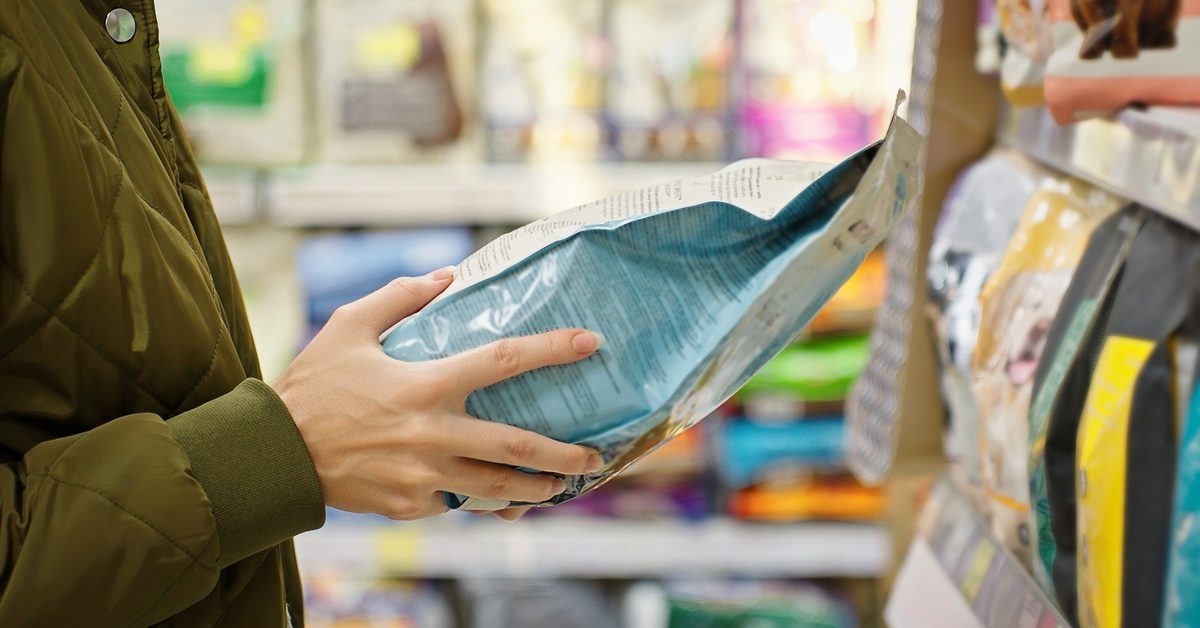
Stand-up pouches have become the standard for premium pet treats and smaller bags of kibble. The barrier properties keep strong odors inside the bag. They also prevent fats in the food from oxidizing and going rancid.
Resealable packaging is a huge advantage for pet treats. A zipper closure helps keep treats fresh and prevents spills, especially with an excited pet around. For pet product manufacturers, this type of packaging is essential to stay competitive.
Brands now sell a durable, permanent dispenser and offer lightweight refill packets to reduce waste. Stand-up pouches are the go-to vessel for these refills.
Think about hand soap, laundry detergent, or shampoo. Selling a large pouch allows the customer to refill at home. It saves them money and reduces the amount of hard plastic entering the waste stream.
This strategy builds brand loyalty. Customers feel good about the eco-friendly choice and appreciate the cost savings. It positions your company as forward-thinking and responsible.
Flexible films allow for creative die-cut shapes that rigid containers can't match. You can design a pouch shaped like a fruit for a juice product. Unique shapes disrupt the visual monotony of the shelf and pull the consumer in.
This customization extends to handles and hang holes. You can design pouches that stand on a shelf or hang on a peg display. This versatility gives retailers more options for how they organize products.
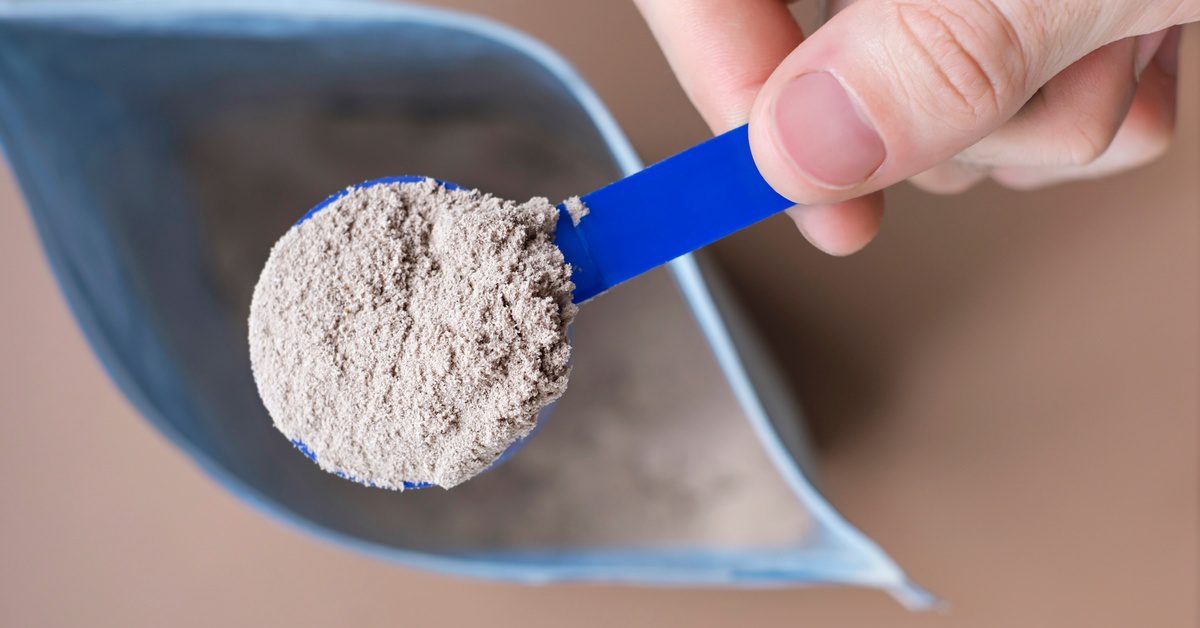
Vitamins, protein powders, and supplements need to be protected from the elements. Humidity can cause powders to clump and lose their potency, while light can degrade sensitive ingredients.
High-barrier foil laminates used in stand-up pouches offer near-total protection. They block out UV rays and moisture completely. This ensures the product stays effective until the expiration date.
Child-resistant zippers can also be added for safety. This makes pouches a practical option for products that need to be kept away for safety.
Warehousing empty packaging costs money and valuable space that could be used for finished inventory.
Stand-up pouches ship flat, meaning thousands of units can fit in a single box. Compare this to rigid containers, which are generally bulkier. You could free up an entire corner of your warehouse by switching from bottles to pouches.
Since the pouches are flexible, they can be packed tightly into master cartons, leaving less wasted space than round jars. This allows you to maximize the amount of product on every pallet you ship.
If you’re selling 50 pounds of dog food or industrial cement, a standard stand-up pouch might struggle. The gusset at the bottom can only support so much weight before the package becomes unstable. For heavy bulk items, woven bags or rigid buckets are often safer.
While some pouches can withstand the heat of sterilization, not all can. If your process involves high-heat sterilization inside the package, you need specialized films. Using a standard pouch in a high-heat retort environment will lead to failure.
If you’re running a high-speed Horizontal Form Fill Seal (HFFS) line, you’re creating pouches directly from a roll of film. On the other hand, pre-made stand-up pouches are already formed and ready to use.
If your equipment is specifically designed for roll stock, switching to pre-made pouches won’t work with your current setup. You’d need a specialized HFFS machine built to fill and seal pre-made bags.
Pouches provide little protection for fragile items like cookies or chips. While nitrogen creates a protective cushion, your product can still get damaged during shipping in a flexible pouch. A sturdy box, on the other hand, offers much better physical protection.
Stand-up pouches offer a fantastic balance for many companies, but they require the right equipment and materials to work effectively. Understanding when stand-up pouches are ideal and when to avoid them can help make smarter decisions about your packaging strategy.
If you’re looking to transition to flexible packaging or need to upgrade your current filling capabilities, HMC Products can guide you through the selection process. We understand the nuances of filling machinery and can help you match the right equipment to your packaging needs.
Don't let packaging headaches slow down your production. Choose the solution that protects your goods today!