
Search
Additional Links Contact Us- Phone: (800) 423-4198
- Toll-Free: (815) 885-1900
- Email: [email protected]


ProMach is your partner from start to finish. Our product brands are grouped into distinct business lines that make the most sense to our customers, covering every function of the production line: Filling, Bottling & Capping, Decorative Labeling, Flexibles & Trays, Pharma, Handling & Sterilizing, Labeling & Coding, Robotics & End of Line, and Systems & Integration.
learn more



When your Horizontal Form Fill Seal (HFFS) machine suddenly stops, production comes to a standstill, and orders start piling up. To get things back on track, you need to identify the problem quickly. Knowing the most common causes of HFFS machine breakdowns is key to troubleshooting effectively. Let’s explore what usually goes wrong and how to fix it.
Many film tracking problems originate from the unwind stand. If the brake tension is too low, the film roll can spin too freely, creating slack that causes the film to drift. It can also stretch or snap the material if the tension is excessively high. These issues often lead to misaligned seals or machine jams.
To prevent this, start by making sure the film roll is perfectly centered on the spindle. An off-center roll will naturally pull the film to one side. Check that the idler rollers are correctly aligned because even a slight angle can steer the film off its path.
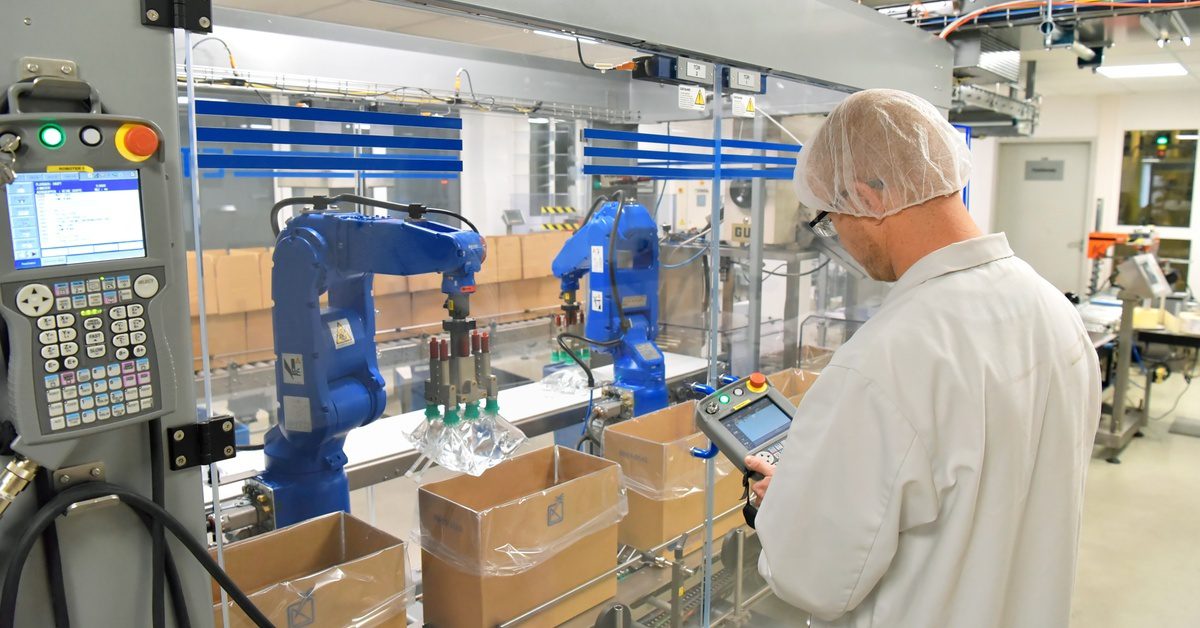
Inconsistent temperatures are another common cause of poor heat seal integrity, leading to weak or burnt seals. The thermocouple, which reads the temperature, is often the culprit; a loose connection or damaged wire can send erratic readings to the controller.
Additionally, heater cartridges can burn out, creating uneven temperature profiles across the sealing jaw. Solid-state relays can also fail, either causing the heater to stay on continuously or preventing it from turning on at all. Checking the actual temperature against the setpoint with a pyrometer can help diagnose and resolve these issues.
To achieve a hermetic seal, the sealing jaws need to align perfectly to prevent leaks. A common problem is misalignment, which creates uneven pressure and leads to a seal that is firm on one side but fragile on the other. Debris on the jaw faces, such as product crumbs or melted plastic, can also create gaps that disrupt the seal.
You can prevent this by inspecting the pressure springs or pneumatic cylinders, as worn components can reduce the clamping force needed to bond the film. Even with the correct temperature, these issues can lead to weak seals.
The cutter separates individual packages, but if it fails, it can lead to stringy cuts or bags still connected. Blades wear down after thousands of cycles, tearing the film instead of slicing it cleanly. Therefore, it’s important to replace them regularly.
Proper knife adjustment is also crucial, as too much pressure damages the blade and anvil. Additionally, worn grooves in the anvil can prevent solid knife contact, requiring rotation or replacement for a fresh cutting surface. Regular maintenance of both the blade and anvil ensures clean, accurate cuts and prevents production issues.
The photo-eye sensor detects the registration mark on the film to determine where to cut the bag. However, if it misses the mark, the cut point can shift. Dust on the sensor lens can block the light beam, so cleaning the lens is an important first step when troubleshooting.
Poor contrast between the mark and the background can also cause issues, especially if the print quality is inconsistent. Adjusting the sensitivity setting can help resolve this problem.
For the product to transfer correctly into the film sleeve at the right moment, several factors must be aligned within the horizontal flow. A common issue is a stretched infeed conveyor belt, which causes inconsistent product spacing and disrupts timing for the rotary or box-motion end seals. If the belt is loose, tighten it or replace it to maintain the correct "pitch."
Another crucial checkpoint is the phase timing between the horizontal infeed lugs and the film’s eye-mark registration. This needs to be perfectly synchronized to ensure the product is centered within the pouch. It can be adjusted through the HMI on modern electronic HFFS machines or via a differential gear on older mechanical models.
Jams can also occur if the product's orientation on the horizontal bed is inconsistent. Before running the line, verify the product's dimensions against the forming shoe settings to prevent blockages or film snags.
Air pressure powers key components of an HFFS machine, like cylinders, air jets, and actuators, requiring a steady supply to function properly. A drop in pressure can cause these parts to slow down or stop. Therefore, it's important to check the main air supply gauge and inspect for leaks or kinks in the hoses.
Listen for hissing sounds, which often indicate a loose fitting or punctured line. Contaminants like oil or water in the air lines can cause solenoid valves to stick, disrupting airflow to the cylinders. Installing a filter-regulator-lubricator (FRL) unit helps protect pneumatic components and maintain smooth operation.
Belts and chains transfer power from the motor to machine components, but they can wear out. Check timing belts for missing teeth, as a stripped belt cannot keep proper synchronization. Replace the belt if you notice any cracks or signs of dry rot.
Keep your drive chains in good shape by regularly lubricating them. This prevents stiff links that can damage sprockets or cause the chain to snap. Make sure the chain tension is just right to stop it from slipping off the sprocket. Also, check the friction belts on the film pull mechanism—worn belts lose grip, which can lead to film slipping and uneven bag lengths.
The forming collar is a precision component that shapes flat film into a tube, so its surface condition is critical for smooth film flow. Scratches, dents, or misalignment can snag the film, causing imperfections.
To prevent this, regularly inspect the collar for damage and ensure it is perfectly centered above the vertical seal bars. Keep the collar clean and polished, as any buildup from ink or coatings can add friction.
Electrical issues can be harder to spot than mechanical ones. Problems like loose wires or bad relays can shut down a machine entirely. Over time, vibrations may loosen terminal screws, causing failure.
To prevent short circuits on your horizontal form fill seal machine, regularly clean the carbon dust from the slip rings and replace any worn brushes. If a sensor isn't working, check the lights on the PLC's I/O card to see if it's sending a signal.
Consult the electrical schematics provided by FFS machine manufacturers to trace the circuit. These diagrams show where each wire goes. Following the path helps isolate the broken connection.
That said, downtime can be costly, but it doesn't have to derail your operations. By staying ahead of common HFFS machine issues with regular maintenance and proper training, you can avoid unnecessary disruptions.
If you need replacement parts or advice on upgrading your system, our team at HMC Products is here to help. Let’s work together to keep your packaging line running at its best—get in touch with us today!