
Search
Additional Links Contact Us- Phone: (800) 423-4198
- Toll-Free: (815) 885-1900
- Email: [email protected]


ProMach is your partner from start to finish. Our product brands are grouped into distinct business lines that make the most sense to our customers, covering every function of the production line: Filling, Bottling & Capping, Decorative Labeling, Flexibles & Trays, Pharma, Handling & Sterilizing, Labeling & Coding, Robotics & End of Line, and Systems & Integration.
learn more


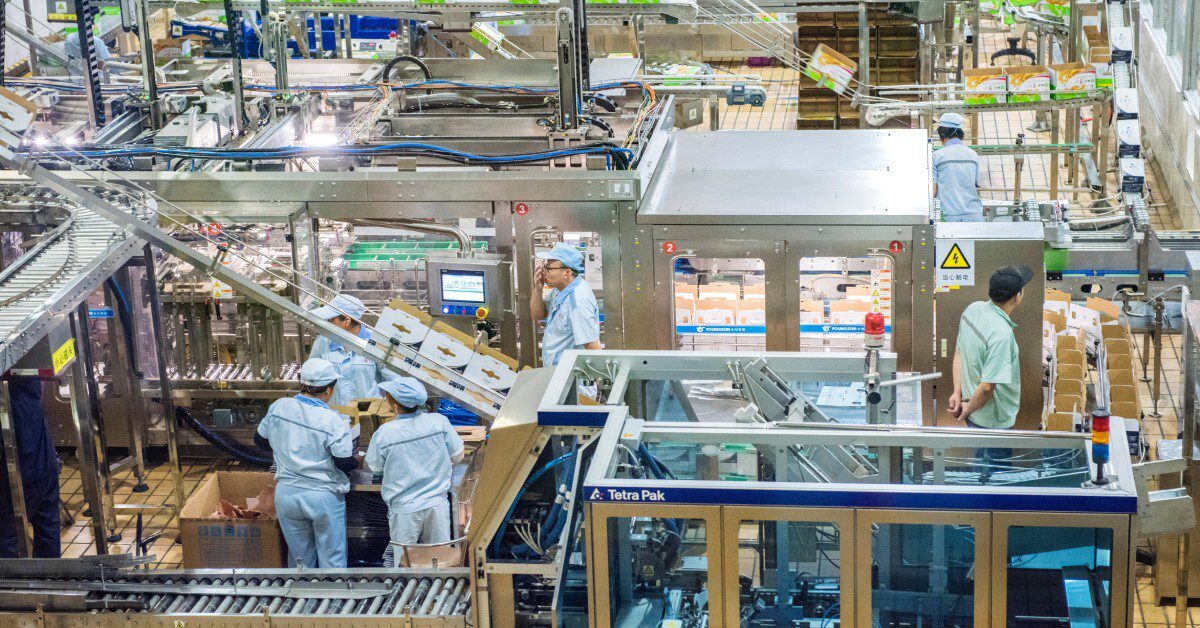
Product recalls can be a nightmare. When your meat and cheese products experience seal contamination, it leads to costly returns, wasted goods, and damage to your brand's reputation. What's worse, the root cause is often difficult to pin down. Is it the product, the packaging material, or the machine itself? This is a common challenge for businesses that pack large quantities.
If you're looking to prevent seal contamination in your cheese and meat packaging, you've come to the right place. We'll explore common culprits and offer practical steps to protect your products.
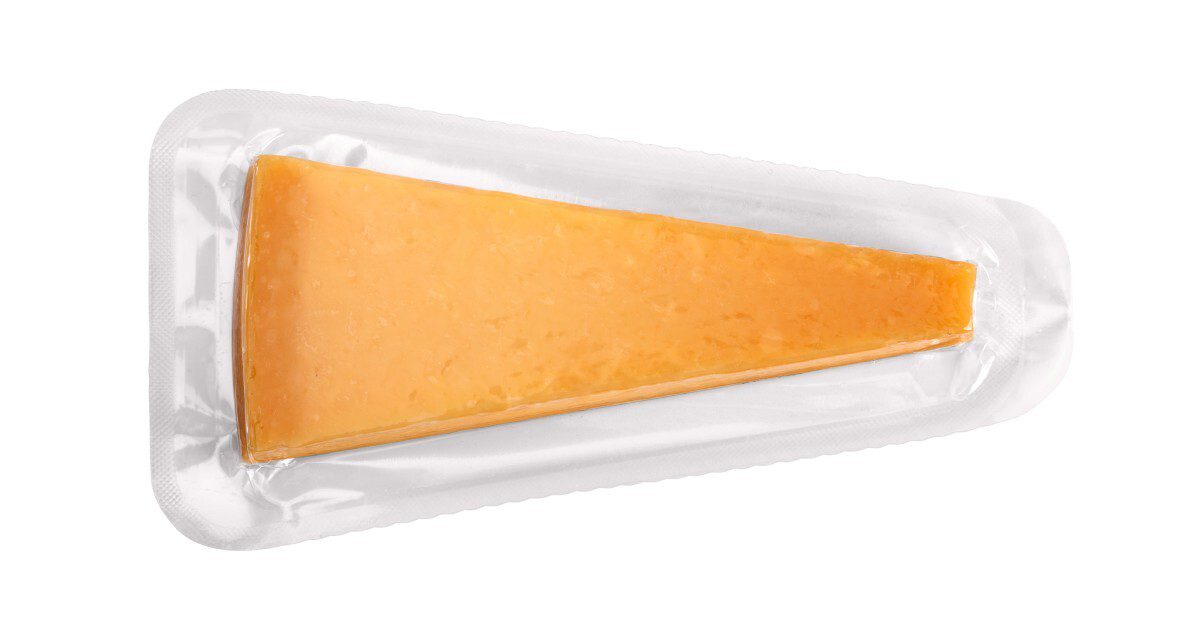
Contamination occurs when particles or residue interfere with the seal area of a package. Fat, grease, or fine product dust in cheese and meat products can compromise the seal's integrity, allowing air to enter the package. When a seal isn't secure, it allows oxygen and moisture to enter the packaging, leading to faster spoilage and an unhappy customer. Let's examine the common causes behind this issue.
Cheese and meat are naturally high in fat. During the packaging process, it can easily migrate to the seal area, preventing the package layers from bonding correctly. The result is a weak spot, or channel, in the seal that lets air seep in.
You might notice this issue more with certain products. For example, ground meat or shredded cheese presents a greater challenge than a solid block of cheese or a steak. The smaller particles have more surface area and are more likely to spread during packaging.
If you've ever found a powdery coating at the bottom of a bag of shredded cheese, you've seen product dust up close. While it seems harmless, this dust—along with crumbs from breaded items or seasonings from cured meats—can create serious issues during packaging.
They prevent equipment from securing a consistent bond. The result is an incomplete seal with micro-gaps, which often leads to leaks and can compromise product freshness and safety.
Heat bonds the sealant layers of your packaging film together. If the temperature is too low, the layers won't melt enough to form strong contact. If it's too high, the film can burn or become brittle, which also weakens the seal.
Finding the right pressure range is crucial for a strong bond. Typically, moderate pressure works best—enough to hold the heated film layers together without squeezing melted material out of the seal area. This balance ensures a durable seal that’s less likely to break.
Dwell time is the duration the sealing jaws apply heat and pressure. It needs to be long enough for heat to penetrate the film layers and create a solid weld.
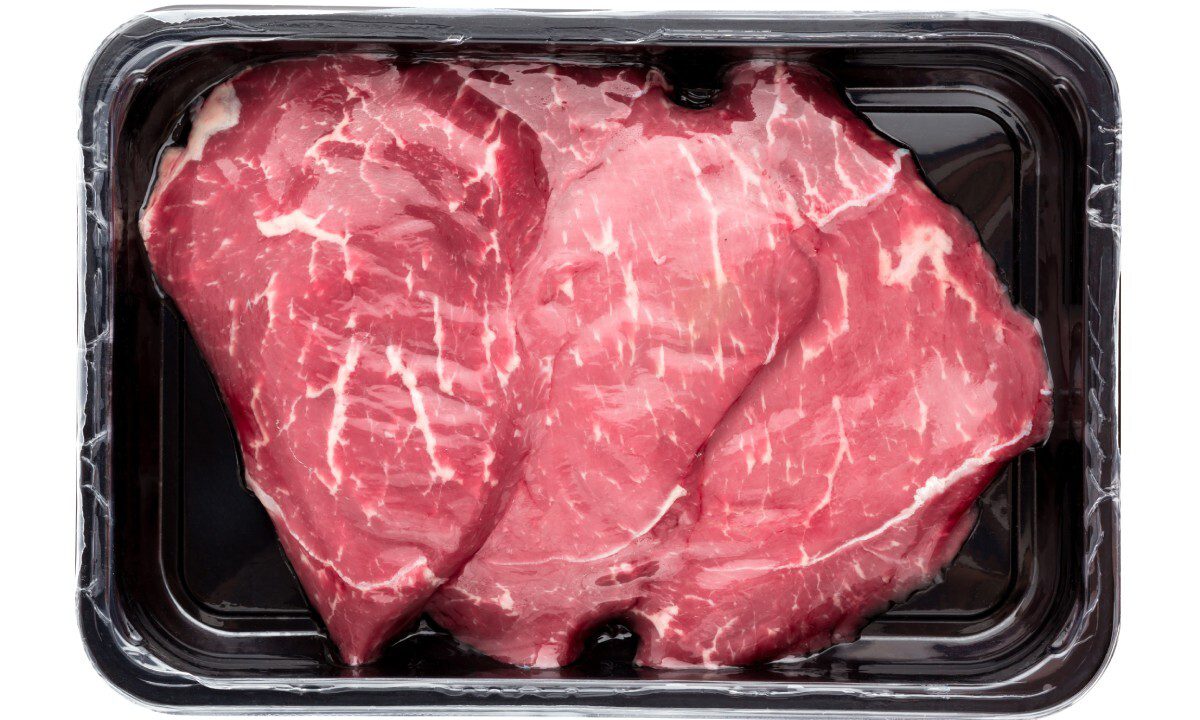
Grease and oil create a barrier that prevents the sealant layers from adhering. This is especially true for meat products like sausage or bacon, where fats can easily render out during processing and packaging.
When grease contaminates the seal area, it can lead to immediate failures or issues that only show up after the product leaves your facility. A customer might receive a package that appears fine, only to discover it has lost its seal days later.
The packaging film you choose is another huge factor. You need a material with a sealant layer designed to handle contamination.
Some films have sealant technologies that can "seal through" grease, oils, and product dust. These materials are formulated to bond even when contaminants are present. Choosing the right film can dramatically reduce your contamination issues. It’s a good idea to work with suppliers that understand your product and can recommend the best solution.
Your equipment is another part of the equation. You need equipment that offers precise control over temperature, pressure, and dwell time.
For example, some machines have specialized sealing jaws that help push contaminants out of the seal area before the final bond is made. It’s beneficial to consult with reputable pouch packaging machine manufacturers, as they can offer guidance on the machinery best suited for challenging products like yours.
Even the best machine will fail without proper maintenance. Sealing jaws can wear out or become misaligned. Heating elements can degrade. Regular inspections and preventative maintenance are necessary to keep your equipment in top shape.
Create a maintenance schedule and stick to it. Train your operators to spot early signs of wear and damage. A proactive approach to maintenance saves you from unplanned downtime and costly product recalls.
Well-trained machine operators are your first line of defense against seal contamination. A deep understanding of the packaging process allows them to identify and fix potential issues on the fly, preventing minor problems from escalating.
Ensure your team knows how to properly set up the machine for various products, follow correct cleaning procedures, and recognize early signs of contamination. With the right training, your operators can catch many issues before they even begin.
Don't wait for customer complaints to discover a problem. Implement a rigorous quality control process. This should include regular checks of the seals on your finished packages.
Pull samples from the line at set intervals and inspect them. A visual inspection can reveal obvious defects, but you should also perform destructive tests, like a burst test or a peel test, to verify the seal's strength. This data helps you fine-tune your process and catch issues early.
Preventing seal contamination in cheese and meat packaging requires a thorough evaluation of your entire operation. It involves your product, packaging film, equipment, and your personnel. With the right approach, you can create strong, reliable seals that protect your products and your brand.
It all starts with a partner that understands your unique challenges. At HMC Products, we have decades of experience with packaging products like yours. If you're ready to put seal contamination issues behind you for good, don't wait. Contact us for a free consultation and discover how our expertise can transform your production line.