
Search
Additional Links Contact Us- Phone: (800) 423-4198
- Toll-Free: (815) 885-1900
- Email: [email protected]


ProMach is your partner from start to finish. Our product brands are grouped into distinct business lines that make the most sense to our customers, covering every function of the production line: Filling, Bottling & Capping, Decorative Labeling, Flexibles & Trays, Pharma, Handling & Sterilizing, Labeling & Coding, Robotics & End of Line, and Systems & Integration.
learn more


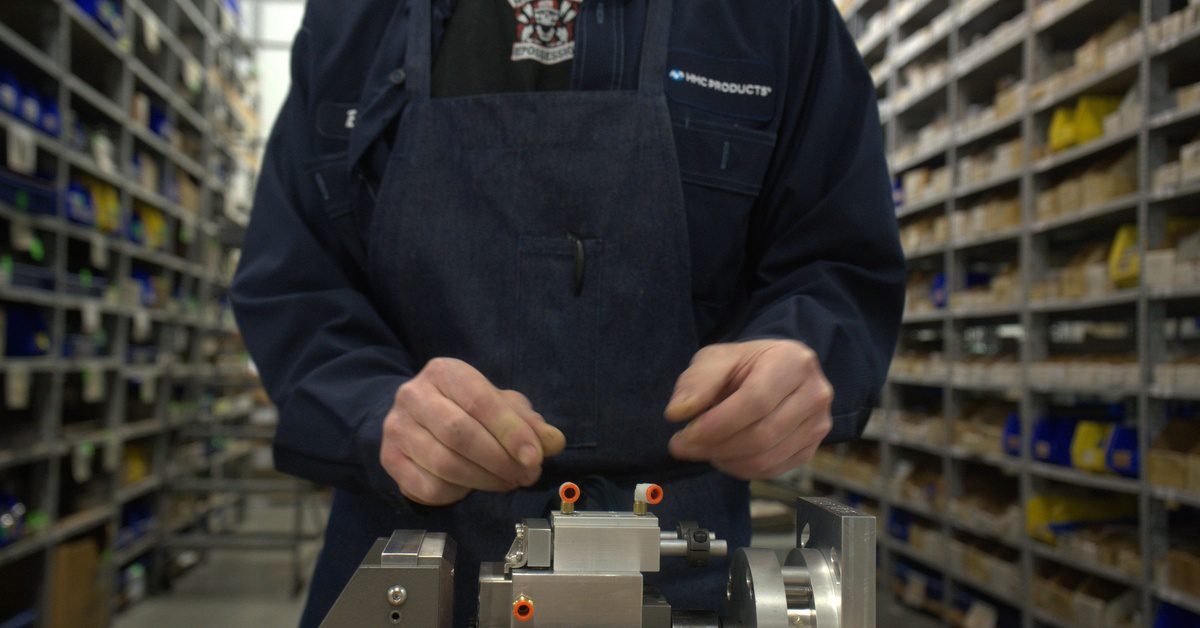
When you invest considerable capital in your packaging line, you expect it to perform effectively. Too often, equipment runs below capacity, downtime creeps in, and changeovers drag out longer than they should. Those small inefficiencies chip away at your margins.
If you’re wondering how to maximize ROI for packaging equipment, the answer doesn’t sit in one quick fix. Let’s break down what you can do to improve it.
Many teams define ROI too narrowly. They focus on initial purchase price and payback period, then move on. That mindset leaves money on the table.
Real return includes throughput, labor efficiency, scrap reduction, maintenance costs, and flexibility to run new pouch formats. When you evaluate performance across those areas, you get a clearer picture of how your equipment supports growth instead of just meeting today’s demand. You need to measure how well the machine adapts and sustains performance over time.
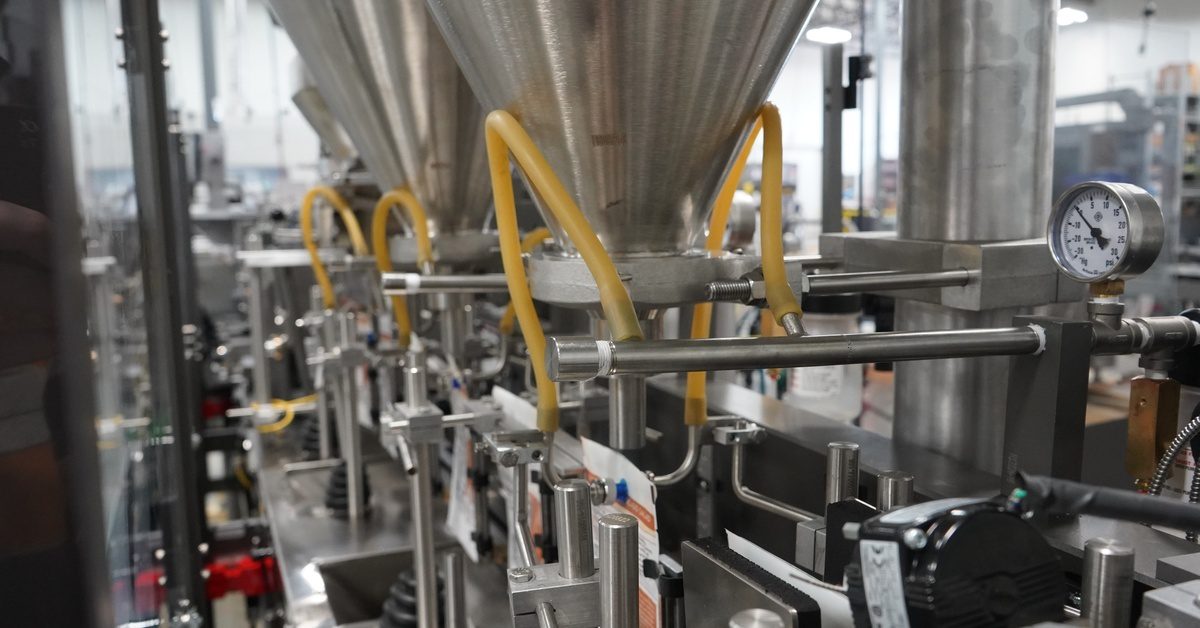
Your throughput directly affects your bottom line. When your machine runs consistently at peak speed while maintaining seal integrity and fill accuracy, you'll see margin improvements more clearly.
Facilities tend to settle for "good enough" speeds because they're concerned about quality issues creeping in. But there's a better approach: dig into your actual bottlenecks—whether that's feeding, sealing, or product delivery. You'd be surprised how often a few mechanical tweaks or updated control settings reveal capacity you never knew you had.
Downtime drains ROI faster than almost anything else. Short stops can interrupt production flow, increase labor costs, and create scheduling pressure.
Preventive maintenance programs protect your investment. Instead of reacting to breakdowns, schedule inspections around wear components, sealing assemblies, and motion systems. Replace parts before failure forces your hand.
You also need clear documentation. When technicians track recurring issues, they can spot patterns and address root causes. That discipline pays off quickly in uptime gains.
Changeovers often represent the biggest hidden cost in flexible packaging. Long transitions reduce production hours and frustrate scheduling teams.
Standardize your changeover process. Document each step, organize tooling clearly, and assign defined responsibilities. When teams follow a consistent method, they eliminate guesswork.
You should also evaluate tooling design. Quick-change components and clearly marked adjustments shorten downtime and protect accuracy after restart.
Sometimes your machine still performs well, but outdated controls or worn assemblies limit performance. Before you replace the entire system, evaluate modernization options.
Upgrading drive systems, control panels, or sealing technology can extend machine life and improve efficiency. Modern HMI systems also provide clearer diagnostics, which helps your team act faster when issues arise.
This approach often delivers strong returns without the capital expense of a completely new machine.
Flexibility supports long-term ROI. If your equipment runs only one format efficiently, you limit your ability to respond to market demand.
A well-configured horizontal form fill seal machine allows you to produce multiple pouch styles—such as 3-side seal, 4-side seal, gusseted, or zipper formats—without sacrificing quality. That versatility reduces the need for additional lines and protects your capital investment. When customers request new packaging formats, you’ll adapt with confidence.
Scrap and rework drain your profits. You might hit your production targets, but every pouch you toss due to a bad seal or off-weight fill is money lost.
Set up quality checkpoints that catch issues as they happen—seal strength, fill accuracy, visual alignment. Waiting until end-of-shift to find out you've been running bad product all day is too late.
Connect quality metrics to outcomes your team understands. When scrap goes down, downtime decreases and line efficiency goes up, which means smoother shifts. Once people see that link, precision stops being just another box to check.
Maintenance shouldn’t operate separately from production strategies. When both teams communicate clearly, they prioritize upgrades and repairs that protect revenue.
Schedule maintenance during low-demand periods whenever possible. Use historical performance data to forecast wear patterns and replace high-risk components before they fail. When you engage in productive maintenance, your ROI improves naturally.
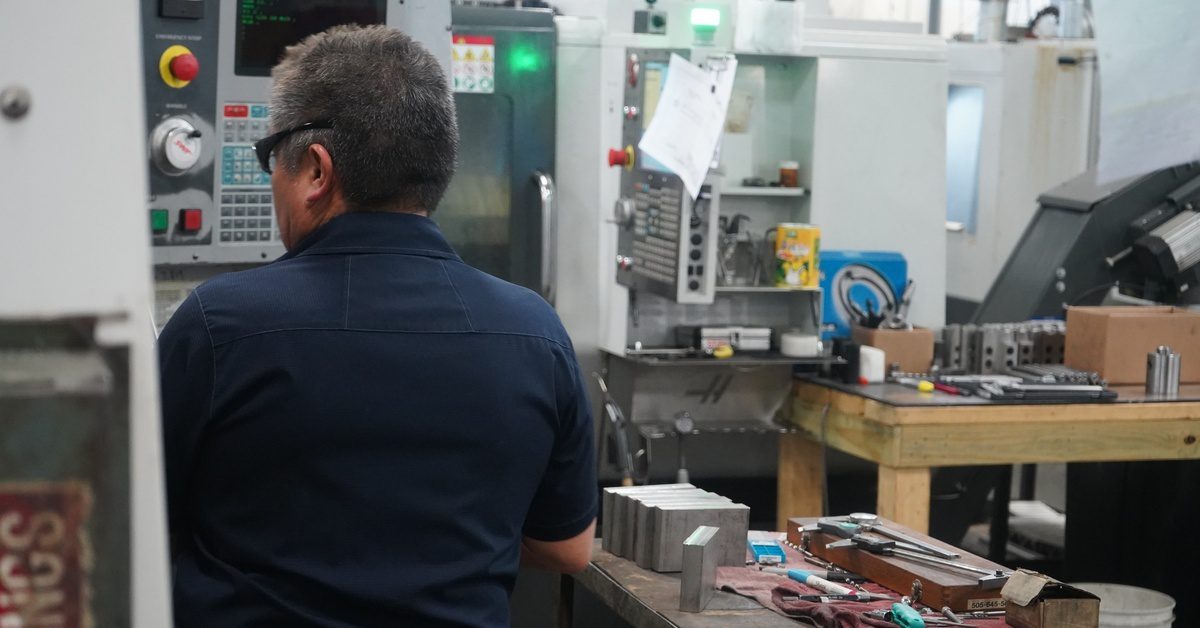
Skilled operators catch setup errors before they become problems. Training needs to go beyond button-pushing. Cover the mechanical fundamentals, yes, but also teach people how to navigate the control system and adjust for different pouch formats. Don't let critical knowledge live in just one person's head.
Here's what really matters: when operators feel genuine ownership over machine performance, something shifts. They stop working around recurring problems and start pushing for solutions. That mindset change alone can dramatically improve your ROI.
Modern packaging operations generate valuable performance data. If you don’t use it, you waste opportunity. You should track the following:
When you review this data regularly, you identify trends before they become costly problems. Data-driven decisions lead to measurable financial gains.
Technology and data alone won’t maximize returns. Your culture determines how well your equipment performs.
Encourage operators and maintenance teams to suggest improvements. Reward efficiency gains and quality improvements. Review performance metrics together instead of in silos.
When everyone understands how their role influences profitability, they take ownership of results. That alignment turns your packaging equipment into a true revenue driver.
Long-term support influences performance year after year. Reliable access to parts, rebuild services, and expert consultation extends machine life and stabilizes performance. If you plan for lifecycle support, you avoid costly surprises.
HMC Products supports customers nationwide with new machinery and add-ons. Our depth of service reinforces equipment longevity and helps operations maintain consistent output over time.
When you evaluate suppliers, consider how they’ll support you five or ten years from now—not just during when you start up.
Maximizing ROI for packaging equipment takes more than running faster. If you’re evaluating upgrades, rebuilds, or long-term support for your horizontal packaging line, connect with the team at HMC Products to explore the next practical steps. The right strategy can unlock capacity you already own and protect your investment for years to come.