
Search
Additional Links Contact Us- Phone: (800) 423-4198
- Toll-Free: (815) 885-1900
- Email: [email protected]


ProMach is your partner from start to finish. Our product brands are grouped into distinct business lines that make the most sense to our customers, covering every function of the production line: Filling, Bottling & Capping, Decorative Labeling, Flexibles & Trays, Pharma, Handling & Sterilizing, Labeling & Coding, Robotics & End of Line, and Systems & Integration.
learn more



When a production line stops, the pressure is on. Every idle minute costs money; managers hurry to diagnose the problem, and operators often rely on guesswork to restart the machinery. In large-scale packaging facilities, these disruptions can have a ripple effect on operations. Fortunately, technology offers a more effective solution for these disruptions: remote monitoring.
By providing real-time visibility into machine performance, remote monitoring empowers teams to address issues proactively. From your office, your home, or even on the go, you can access live machine data and make informed decisions faster than ever before.
This blog explores how remote monitoring is revolutionizing pouch machine operations by improving efficiency. Let’s dive into the ways this technology is transforming the industry and why it’s becoming a must-have for businesses focused on reliability.
Transparency is at the heart of modern manufacturing. Remote monitoring connects your equipment to a secure network, offering an immediate view of crucial metrics like run speeds, temperatures, and fill counts. For example, you can check if production targets are met before visiting the plant.
Instant access to machine data also improves communication across teams. Operators can share performance metrics with maintenance staff, ensuring that everyone is on the same page when troubleshooting issues.
When a part unexpectedly breaks, you're faced with rush shipping fees, long delays, and unplanned downtime. Remote tools help you shift to a predictive maintenance model, which saves both time and money.
Sensors integrated into your machines monitor key performance indicators like vibration levels, motor temperatures, and pressure changes. If a bearing overheats or a motor shows signs of wear, the system automatically flags the issue. This allows you to schedule a replacement during planned downtime instead of dealing with a sudden failure mid-operation.
Predictive maintenance can reduce long-term costs. By addressing small issues before they escalate, you avoid catastrophic failures that could require expensive parts or even full machine replacements. Additionally, planned maintenance allows you to negotiate better pricing for replacement components, avoiding the premium associated with emergency orders.
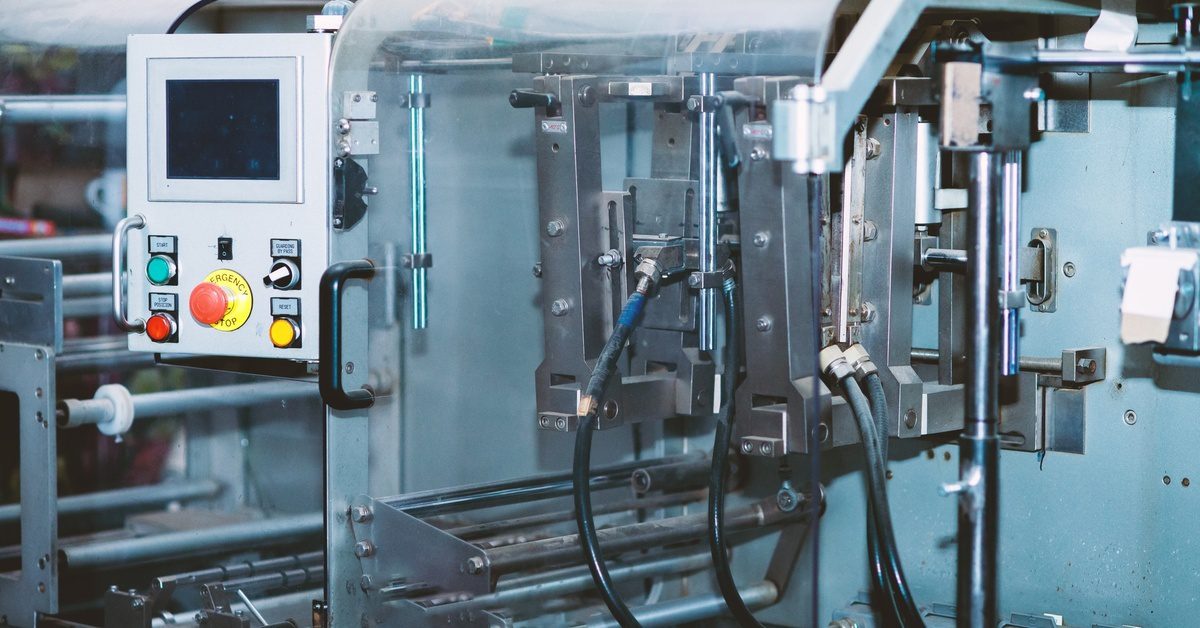
Remote systems log every cycle the machine runs, providing a detailed record of performance. You can analyze this data to identify exactly when production slows down and correlate it with specific batches, operators, or shifts.
For instance, you might discover that a particular product type consistently causes feed issues. Or you could find that one shift is underperforming due to a lack of training. By pinpointing these bottlenecks, you can make targeted improvements to increase overall efficiency, ensuring steady output for large-scale operations.
Complex error codes can bring production to a halt, and waiting for a technician to arrive on-site only delays the resolution. Remote connectivity eliminates this bottleneck by allowing technicians to log into your system and view active faults.
They can analyze the logic flow, identify the root cause, and even guide your team through the necessary repairs—all without setting foot in your facility. This capability drastically reduces downtime and gets your line back up and running faster.
Manual data entry can occasionally lead to inconsistencies. It’s easy to overlook a unit count, miss a downtime entry, or record a value slightly off. These discrepancies can affect the accuracy of your production reports, making it challenging to track your performance trends effectively.
Remote monitoring automates data collection, pulling correct numbers directly from the Programmable Logic Controller (PLC). Your reports reflect real performance, giving you the confidence to make informed decisions.
Whether you’re preparing for a safety audit or meeting industry regulations, automated reporting provides a reliable record of machine performance. This reduces the stress of audits and helps you follow certification standards.
Sophisticated machinery, such as horizontal pouch packaging machines, requires equally sophisticated monitoring systems. These machines run at high speeds, and even minor errors can lead to significant losses.
Remote monitoring tools integrate seamlessly with these systems, tracking the precise timing of pouch opening, filling, and sealing. This granular data provides insights that standard visual inspections might miss, guaranteeing top-notch performance and product quality for companies managing large production volumes.
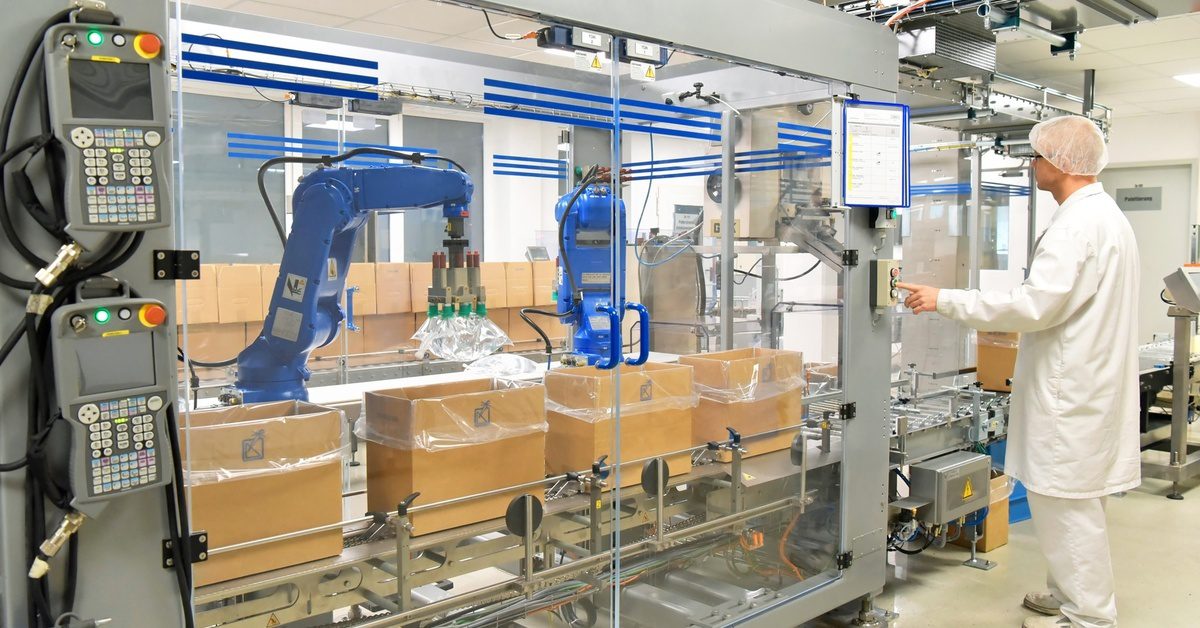
Technology should empower your staff. Many remote monitoring systems feature intuitive dashboards that simplify complex data into actionable insights.
Operators can view their targets and performance, creating a feedback loop that encourages efficiency. When the team sees they’re falling behind, they can make immediate adjustments, fostering a culture of accountability and continuous improvement.
Production data is also a powerful tool for improving team performance. By analyzing trends, you can identify skill gaps among operators and provide focused training to address them.
Providing operators with clear, easy-to-understand tools boosts their confidence and job satisfaction. When they have the resources to meet performance goals, it creates a more motivated and engaged workforce, ultimately benefiting productivity.
Transitioning from a smaller setup to a large-scale commercial operation requires consistency. You need standardized procedures backed by reliable data.
Remote monitoring provides the framework for scaling your operations. It allows you to replicate success across multiple machines and maintain centralized oversight as you add new production lines.
Remote monitoring streamlines consistency across multiple facilities in large-scale operations. You can compare performance metrics across locations, identify best practices, and implement them companywide. This level of standardization is essential for sustainable growth.
Remote monitoring changes pouch machine operation by enabling total automation and interconnectivity, making it an essential tool for staying competitive with your packaging efforts. Integrating remote monitoring tools positions your operation to scale efficiently and adapt to evolving market demands. By using data and remote oversight, you can ensure that your pouch machine operations remain efficient, consistent, and ready to meet future challenges.
HMC Products offers machinery built for seamless control and maximum efficiency. If you're ready to modernize your operations and improve your production metrics, reach out to our team today to discuss your goals.