
Search
Additional Links Contact Us- Phone: (800) 423-4198
- Toll-Free: (815) 885-1900
- Email: [email protected]


ProMach is your partner from start to finish. Our product brands are grouped into distinct business lines that make the most sense to our customers, covering every function of the production line: Filling, Bottling & Capping, Decorative Labeling, Flexibles & Trays, Pharma, Handling & Sterilizing, Labeling & Coding, Robotics & End of Line, and Systems & Integration.
learn more


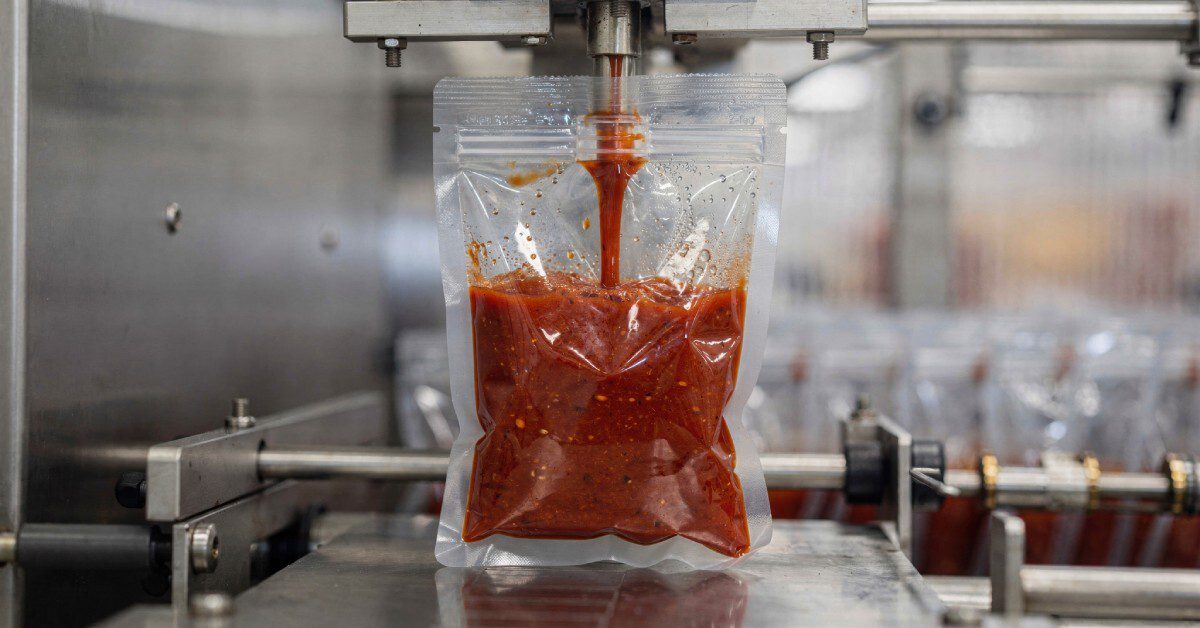
When you’re dealing with high-volume production, seal integrity is a requirement for product safety and shelf life. A hermetic seal—one that’s completely airtight—is your first line of defense against the elements.
If you struggle with inconsistent seals or want to improve your current packaging line, you’ve come to the right place. We’ve compiled 9 hermetic seal tips to help keep your product packaging safe and your customers happy.
It sounds obvious, but you’d be surprised how often a mismatch occurs here. You need compatibility between your pouch material and the sealer’s capabilities.
If you run a machine designed for polyethylene and try to feed it a complex laminate structure without adjusting parameters, failure is almost guaranteed. The heat transfer rates differ between materials. A thick foil laminate requires more dwell time and higher heat than a simple poly bag.
Check your machine’s specifications against your film’s data sheet. If they don’t align, you’ll fight an uphill battle against leaks and weak bonds.
Temperature fluctuation is the enemy of a good seal. If your sealing jaws run too cold, the material won’t bond effectively. If they run too hot, you risk burning through the film or creating a brittle seal that cracks under pressure.
Use distinct temperature controllers for each heating element. This allows you to fine-tune the heat profile across the entire sealing area. Regular calibration is also a must.
Invest in thermal imaging or contact probes to verify the actual temperature at the point of contact. Consistency here leads to consistency in your final package.
Heat melts the sealant layer, but pressure fuses the materials. If it's uneven, you get weak spots where air can sneak in.
Uneven pressure often stems from misaligned sealing jaws or worn-out silicone rubber pads. Over time, these pads can develop grooves or lose their resilience. When that happens, the machine can’t apply a uniform force across the entire width of the seal.
Inspect your sealing jaws and pads regularly. If you see signs of wear, replace them immediately.
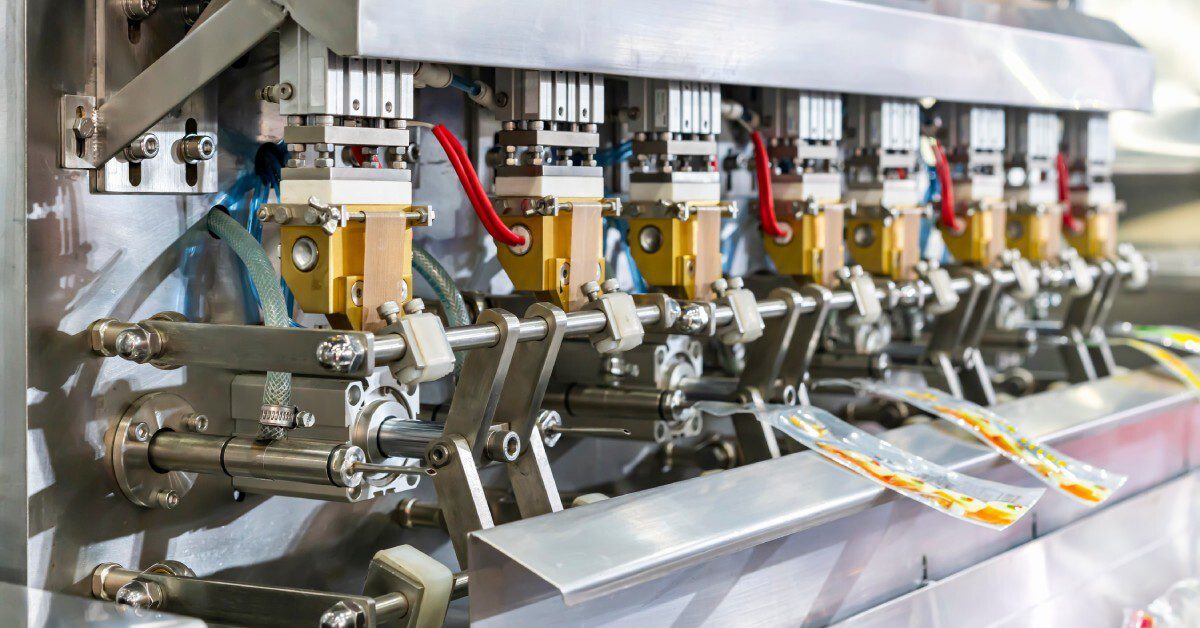
Dwell time refers to how long the sealing jaws stay closed on the packaging material. If your line speed is too fast, the jaws might not stay closed long enough to transfer sufficient heat. This results in a "cold seal" that peels apart easily. Conversely, excessive dwell time slows production and can distort the package.
Finding the sweet spot requires testing. Run samples at different speeds and test the seal strength. You want the minimum dwell time necessary to achieve a hermetic bond, so you don’t sacrifice production speed unnecessarily.
Dust, product crumbs, or liquid splatter can prevent the sealant layers from touching. Even a microscopic channel created by a grain of sugar can compromise a hermetic barrier.
This is particularly challenging for companies that work with powder or liquids. You need strict control over the filling process to prevent splashes or dust clouds.
Consider using dust extraction systems or nozzles that dive deep into the pouch during filling. Keeping the seal area pristine allows the polymer layers to bond without interference.
Many operators focus entirely on the heating phase and neglect the cooling phase. A seal isn’t truly finished until it returns to a stable temperature. If you stress the package while the seal is still molten, you can create micro-leaks.
Some machinery incorporates water-cooled jaws or air-blast stations to accelerate this process. This helps "freeze" the seal in place, locking in the bond.
Avoid compression, bending, or side loading of the pouch immediately after sealing, as this can disturb the seal while it’s still soft and lead to weak or inconsistent bonds.
Sealing jaws must come together perfectly parallel. If they meet at an angle, you’ll get high pressure on one side and low pressure on the other.
Use carbon paper or pressure-sensitive film to check the impression your jaws make. You should see a uniform, solid bar. If the impression fades at one end, you need to adjust the alignment. Make this part of your weekly preventative maintenance routine to catch mechanical drift before it affects product quality.
Sometimes, the struggle for a perfect seal comes down to using the wrong type of machine for your specific package style. For instance, HFFS packaging machinery is often the superior choice for stand-up pouches or products that require a zipper closure, as the horizontal flow allows for more precise control over the top seal without gravity fighting against you.
If you’re trying to run a complex pouch on a machine not designed for it, you will likely face constant downtime. Upgrading equipment to suit your package format pays for itself in reduced waste.

You can’t just look at a seal and know it’s hermetic. Visual inspection is necessary, but isn’t sufficient; you need to test the seals to verify integrity.
Implement a protocol where operators pull a package off the line every 15 or 30 minutes for destructive testing. This could be a burst test, dye penetration test, or vacuum decay test.
These tests prove that the hermetic seals in your product packaging are working. It catches process drift early, limiting the amount of product you have to quarantine if something goes wrong.
Packaging isn't just a pouch; it's a promise of quality to your customers. By focusing on the interplay of heat, pressure, and time, and by maintaining your equipment diligently, you can banish leaks from your production line. It takes attention to detail and a willingness to troubleshoot, but the result is a secure product that withstands the rigors of shipping and storage.
If you’re looking for machinery that prioritizes seal integrity and robust construction, HMC Products offers solutions designed to withstand high-volume production environments. Give us a call today to discuss how we can help you achieve the perfect seal every time.