
Search
Additional Links Contact Us- Phone: (800) 423-4198
- Toll-Free: (815) 885-1900
- Email: [email protected]


ProMach is your partner from start to finish. Our product brands are grouped into distinct business lines that make the most sense to our customers, covering every function of the production line: Filling, Bottling & Capping, Decorative Labeling, Flexibles & Trays, Pharma, Handling & Sterilizing, Labeling & Coding, Robotics & End of Line, and Systems & Integration.
learn more


Have you found yourself in a bind with your current packaging system? Perhaps you’re dealing with a production line that can't keep up. This is a common hurdle for production growth.
As order volumes increase, the need for a faster, more reliable packaging solution is essential. If you’ve considered automation, you might be curious about robotic integration. For many businesses, this is a practical first step into automated packaging. Robots can handle repetitive tasks with precision, which frees your team for more complex duties. Let’s explore 9 key things to know about adding a robot to your pouch machine and see how it could reshape your operations.
You might think a robot's role is limited to simple pick-and-place actions, but modern systems are far more capable. They can be programmed to manage a wide range of products with different shapes, sizes, and weights. This adaptability makes them a flexible asset for businesses that package diverse items.
For example, a robotic system can correctly orient products before they enter a pouch, count multiple items for group packaging, and even work with delicate products that require a gentle touch. Robots use different end-of-arm tools, such as grippers or suction cups, to manipulate various products. This versatility means it can meet the specific needs of your product line, whatever they may be.
One of the most noticeable benefits of a robotic system is the immediate boost in production speed. A robot keeps a steady pace, which means your output is more predictable and reliable.
This means quality is consistent, too. Every pouch is filled with the same precision, building your brand's reputation and consistently meeting customer expectations. Predictable production also simplifies planning and scheduling, giving you better operational control.
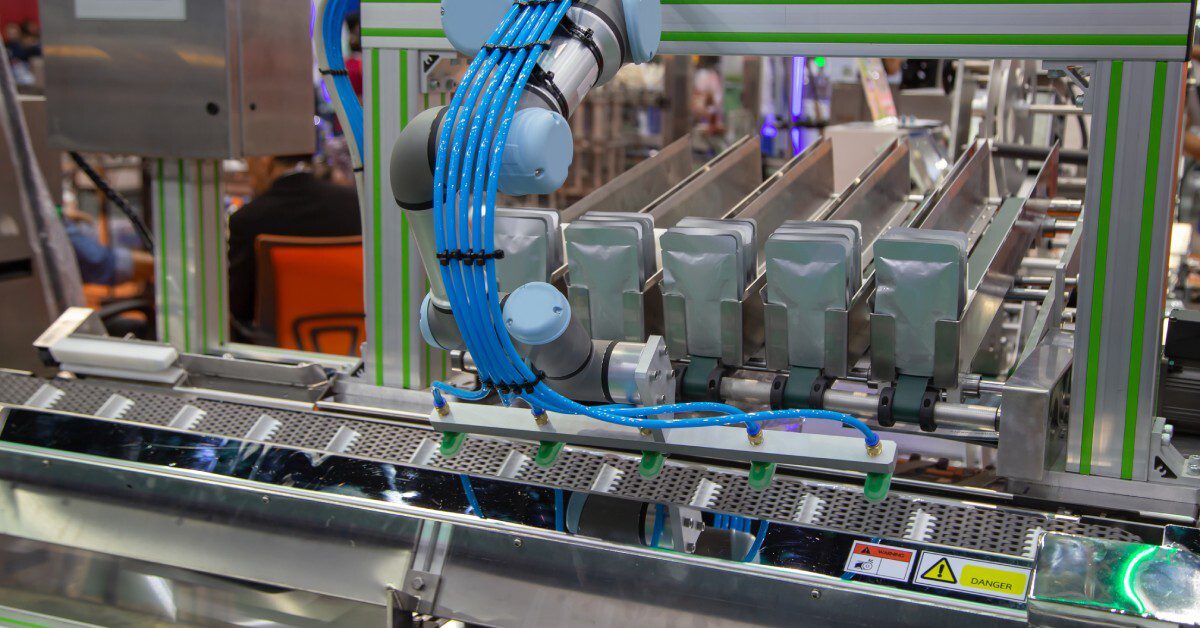
A common question is whether a robotic add-on will work with an existing setup. The good news is that these systems are designed for compatibility. They can integrate with various types of pouch machinery, including a horizontal form fill seal machine. This flexibility allows you to upgrade your current line without a complete overhaul.
The integration process syncs the robot with the pouch machine cycle. When set up properly, the two systems work seamlessly together. The robot smoothly places the product into the pouch and seals it in one seamless motion.
Mistakes on the production line often lead to wasted products and packaging materials, which hurts your bottom line. A robotic arm minimizes these errors. It accurately places products in the pouch, preventing issues like bad seals or damaged items.
This precision means fewer expensive mistakes and packaging film wasted. It also enables lighter weight packaging designs, further cutting material costs. Ultimately, less waste means more of your resources go directly into creating sellable products. This straightforward approach makes your operations more sustainable and profitable.
Repetitive motion tasks can lead to physical strain and injuries over time. When you automate these actions, you protect your team from potential harm. Employees who once executed monotonous pick-and-place duties can move to safer roles, such as supervising automated processes or performing higher-level quality control.
This shift also boosts morale, which empowers staff to develop new skills and pursue career advancement within the company. When employees have more engaging responsibilities, they feel more valued and are more likely to be invested in their work. A safer, happier team is a more productive team.
No two production lines are alike, and robotic systems are built with this in mind. They are highly customizable to fit your specific needs. The robotic arm's end-of-arm tooling, or "gripper," can be designed to handle your product's unique characteristics, whether it's a solid object, a stack of flat items, or a delicate food product.
Beyond the hardware, the software that controls the robot is also adjustable. You can program its movements, speed, and placement logic to match your operational requirements. This level of customization ensures the robot is a perfect fit for your production goals.
The idea of integrating a robot can seem intimidating, but modern systems are designed to be user-friendly. They often come with intuitive interfaces that simplify programming and operation. Your team won't need advanced robotics degrees to manage the system.
Most suppliers also offer training and support to help your staff get up to speed quickly. With the right guidance, your team can learn to operate, troubleshoot, and maintain robotic add-ons with confidence. The transition to an automated system can be surprisingly smooth.
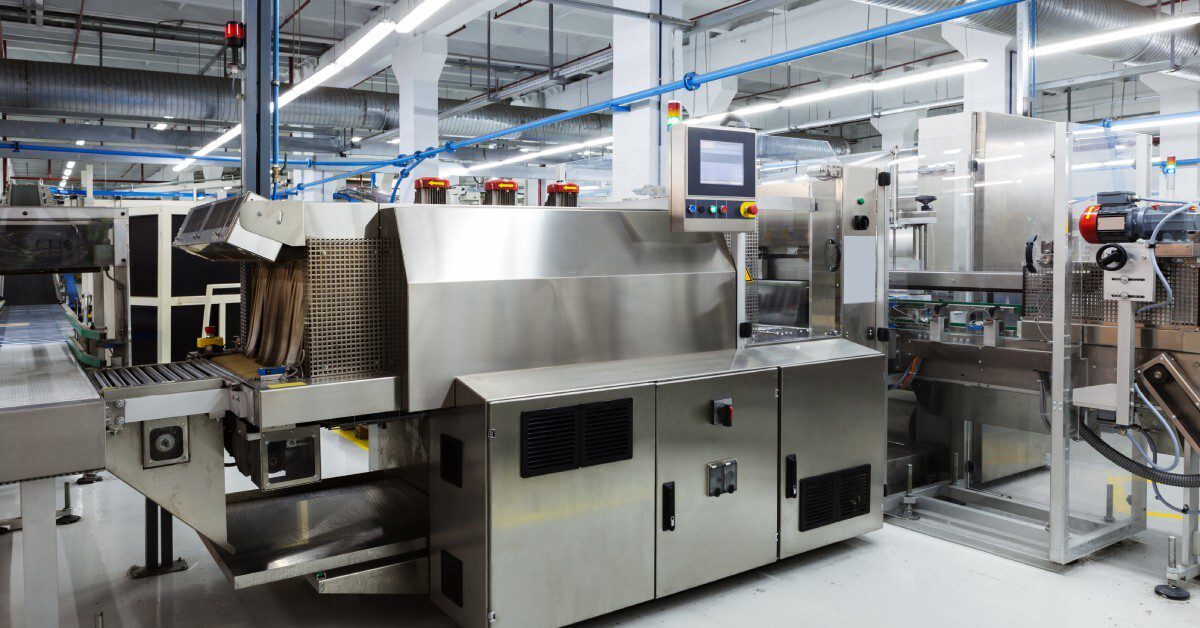
Before you commit, evaluate your facility layout. A robotic system will require a dedicated footprint, so you need to confirm that you have enough space. You'll need to account for the robot base, its full range of motion, and any required safety guarding.
A good supplier will help you with this analysis. They can provide detailed specifications and layout drawings to show you how the system will fit into your current setup. Proper planning at this stage prevents surprises down the road and guarantees seamless installation.
Adding a robot is an investment in your company's future. As your business grows, your production needs will evolve. A robotic system offers the scalability to grow with you. If you need to increase your output, you can often adjust the robot's speed or operational hours.
If you launch new products, the system can be reprogrammed to handle different items. This adaptability provides a long-term solution that won't become obsolete as your business expands. It prepares your production line for whatever comes next.
A robot can transform your pouch line, deliver increased speed, improve safety, and reduce waste. Now that you know these 9 things about adding a robot to your pouch machine, you're in a great position to consider its impact.
At HMC Products, we've seen firsthand how automation can elevate a company's production capabilities. If you have questions or want to discuss how a robotic system could fit into your specific workflow, contact us today! Let's talk about building a more efficient future for your business.